Question#: 1
Question Date: 1/1/1995
Topic : Abdul Qadir Al-Jilani:
Question: Would you please give us a short biography of Abdul Qadir Al-Jilani and his contribution to Islam. In our country, people believe that he memorized the Qur'an when he was still a fetus. Is this true?
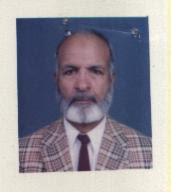
Answer: Much is said about Abdul Qadir Al-Jilani who is still revered by millions of Muslims throughout the world. However, much of what is being said about him is absolutely nonsense. As a scholar and dedicated worker of Islam, Abdul Qadir Al-Jilani would not approve of anything extraordinary being said about him. An example of which is that which has been provided by the questioner. That Abdul Qadir Al-Jilani had memorized the Qur'an while still a fetus is a claim that cannot stand to the shortest of serious examinations. Nevertheless, we know that Allah is powerful to accomplish any purpose. If he wanted Abdul Qadir to memorize the Qur'an before he was born, He would certainly have enabled him to do so. But Allah has a purpose and a wisdom behind any action He takes. What purpose would be served by giving Abdul Qadir Al-Jilani, or indeed any other human being, that accomplishment before birth? Besides, how can one prove such a claim? Abdul Qadir Al-Jilani himself did not make it. Then how can anyone say that this was the case? And then why would this be needed? Would Abdul Qadir Al-Jilani have been able to talk to other fetuses in their mothers' wombs and explain to them the Qur'an? The fact is that such nonsense reflects badly on anyone who repeats it, and indeed on the man himself. Many people who are aware of the true concepts of Islam adopt a very suspicious attitude to anyone around whom such myth is woven. No one does Abdul Qadir Al-Jilani any good service by claiming for him any of the miraculous acts that he is said to have accomplished. Abdul Qadir Al-Jilani was not a Prophet. If a miracle is worked out by Allah through him, he had no choice in it and he could not have determined its happening. Such miracles are worked by Allah when He chooses and for a purpose He determines. Therefore, before we begin to read about Abdul Qadir Al-Jilani, we have to put out of our minds any notion about his being a human being of a superior type. To do justice to Sheikh Abdul Qadir, I have referred to the invaluable work of Sheikh Abu Al-Hassan Ali Al-Hassani Nadwi which is given the title of Saviors of Islamic Spirits. He devotes a chapter in the first volume to the life and work of Sheikh Abdul Qadir Al-Jilani. Here is a brief summary of what Sheikh Abu Al-Hassan has written. Abdul Qadir was born in Jilan, which is also known as Vailam, in the North-West of Iran, south of the Caspian Sea. He was an Arab by descent, but belonged to Iran by migration of his ancestors. In the year 488 A. H., when he was still 18, he went to Baghdad. Although inclined to penance and cultivation of religious observances from an early age, Abdul Qadir addressed himself whole-heartedly to the acquisition of education under the most reputed teachers of the time such as Ibn Aqeel, Al-Baqillani and At-Tabrizi, turned to mysticism and was guided in its tenets and practices by Sheikh Abu Al-Kheir Al-Dabas and Mubarak ibn Ali. After completing his education of religious sciences, Abdul Qadir began his career as a teacher in the seminary of his teacher Mubarak ibn Ali Al-Makhrami. He soon acquired great fame and people flocked from all areas of Baghdad to listen to his sermons. Ibn Qudama, a famous Hanbali scholar, records that he had not seen a man more reverent for his piety and religious learning than Abdul Qadir. The king and his ministers attended his sermons along with the rank and file. Abdul Qadir Al-Jilani himself was always modest, humble and unpretentious. He often left his work to attend to the needs of a child, a destitute or a slave girl. Never evading the company of the poor, he even washed their clothes or performed similar personal services for them. He never stood up in the honor of any person of high rank. If he got information that the Caliph would be visiting him, he deliberately went inside his house so that he might not have to stand up to welcome him. He used to come out of the house after the Caliph had seated himself in the mosque. Abdul Qadir never paid back such a courtesy call. Those who have seen Abdul Qadir Al-Jilani have paid a glowing tribute to his moral excellence and large-heartedness, modesty and hospitality, generosity and goodness of the heart. Held in such high esteem by the people, Abdul Qadir Al-Jilani showed great respect to his elders, met the youngsters with a good grace, was always the first to salute those whom he met, and hailed the poor courteously. Two great scholars, each of whom came later to be known as Sheikh Al-Islam, Izzuddin ibn Abdul Salan and Ibn Taimiyah are of the view that Abdul Qadir's work was miraculous, but his miracle of miracles was filling the hearts of the despaired and the broken-hearted with faith, hope and enthusiasm. He infused a breath of new life, zeal and self-confidence into countless persons through his power of speech and the spiritual power of his heart. He was, in truth, a blessing for the world of Islam for he renovated and revived the true content of the faith and tapped the sources of moral spiritual strength for a religious renaissance. Abdul Qadir Al-Jilani was a follower of the Hanbali school of thought and he endeavored to root out innovations and deviations from the orthodox faith and practices. Because of his forceful defense of the need to follow the Sunnah strictly, scholars of Hadith and their disciples came to be held in high esteem by the masses. Abdul Qadir used to hold classes on daily basis teaching the Qur'an, the Hadith and Fiqh, and explaining the differences between various schools of thought in Islam. The classes were held in the morning and evening, while Abdul Qadir Al-Jilani recited or listened to the recitation of the Qur'an after the mid-day prayers. Thereafter, he dictated his rulings on religious or legal questions referred to him. His rulings, or fatwas, generally followed the Shaf'ie and Hanbali schools of thought. Following the example of the Prophet, his companions and successors and great past scholars, Abdul Qadir Al-Jilani touched on the current problems of his days, analyzed the reasons for the miseries and maladies of the people and provided answers to their doubts and deficiencies. Along with this, his sincerity and earnest zeal for the welfare of the people fired his enthusiasm and enhanced his appeal to people's hearts. The forces of worldliness had become so strong during Abdul Qadir's time and the entire social and economical life of the community appeared to be woven into the context of the prevailing political situation that people had developed a tendency to rely on kings and the noble elite for the realization of their worldly ends. Abdul Qadir tried hard to drive it home to the people that only Allah could bring them benefit and spare them harm. He stressed that all worship should be addressed to Allah alone. No false object of worship could be entertained. In one of his speeches, he explained this meaning by saying: "You put your trust in your own self, in others, in your wealth, in your rites and customs, in your trade and business, or in your rulers; but in whatever object you place your reliance, it becomes, to say the truth, your object of worship. If you fear someone or expect harm or favor from him, or else you deem him as your intercessor with Allah, then he is the object of worship for you." Abdul Qadir Al-Jilani did not preserve his admonition to ordinary people alone. He fearlessly performed the duty of enjoining what is right and forbidding what is wrong. This is a duty incumbent on all the Muslims, particular their scholars. Therefore, whenever Abdul Qadir considered it necessary, he publicly denounced actions of even the highest government officials. He bitterly criticized faults of the great ones without the slightest consideration for their power or position. Ibn Katheer, the highly renowned commentator on the Qur'an, highlights this fact, saying of Abdul Qadir: "He admonished all - the caliphs, viziers, kings, jurists, elite and the laity - to adopt the righteous course and to forsake what Allah has forbidden. He openly and unsparingly criticized everyone to his face. He used to denounce the authorities sternly if they appointed anyone to public office who was known for his cruelty, heavy-handiness or tyranny. He never cared for anyone if he saw the commands of Allah being overstepped." He also criticized other scholars and jurists for paying too much attention to the concerns of this world and who were prepared to accept office or be in the entourage of the rulers. He held such scholars and jurists responsible for the waywardness of the kings and ruling chiefs. The moral and spiritual excellence of Abdul Qadir Al-Jilani, his unflinching devotion to Allah's cause, the effectiveness of his sermons, the inspiring and regenerating influence exercised by him over the people in his own time, and the upright character and moral rectitude of those who have had an opportunity to be instructed by him, mark him as one of the most eminent workers for the Islamic cause. His greatest achievement was brought about by his inspiring and impressive teachings which made thousands of people turn away from the lust of power and wealth and his ability to inculcate the true spirit of faith through self-correction and purification of the soul. In short, his was a striking example of the innate power of Islam to produce a true spirit of religion, love of Allah and moral righteousness in an age of crass materialism. Abdul Qadir Al-Jilani died at the age of 90, in the year 561 A. H. This brief account of the life and work of Abdul Qadir Al-Jilani gives a totally different picture of this eminent scholar from that held by numerous people who think of him as a man of physical miracles. I even heard from some people that Abdul Qadir Al-Jilani used to fly over the heads of those attending his circle in the mosque. Such stories are absolute rubbish and they do not do any service to Sheikh Abdul Qadir or his cause. Sheikh Abdul Qadir was a dedicated worker for the cause of Islam and we would do well if we follow his example by purging all traces of impurity of faith and mistaken concepts from our hearts and minds. May Allah have mercy on Abdul Qadir and reward
Saturday, September 19, 2009

Sunday, August 30, 2009

Monday, August 24, 2009


Friday, August 21, 2009


Thursday, July 30, 2009

Wednesday, July 8, 2009
Nine Great Benefits of Reading Quran.
Nine Great Benefits of Readingand Reflecting Over the Qur'aan .
In the Name of Allaah, the Most Merciful, may His Salaah and Salaam be upon His last Messenger Muhammad, to proceed:
Indeed the Book of Allaah is not a book like any other, it is the timeless Speech of Allaah, not a created thing, a study guide for life and death and what comes after. Therefore it deserves a more careful study than anyone else's speech. It necessitates that its reader return to the early narrations of those who witnessed its revelation and heard its explanation by the one deputed by Allaah to rehearse and explain His Words to humanity (sallallaahu 'alayhe wa sallam). For if one would try to ponder over the meanings of the verses without having done this study, then surely the filth of the time that he lives in and his ignorance of the correct application and understanding that the early Muslims had would cause him to understand some things not intended by Allaah Most High, and therefore he would go astray, thinking to be worshipping Allaah.
So every sincere Muslim who hopes to earn Allaah's Love by reciting and reflecting over Allaah's Book, then let him hold tight to the meanings explained by the Prophet (sallallaahu 'alayhe wa sallam), and those taught by the Companions and their immediate followers, and the early scholars of Islaam.
Know that reciting and pondering over the Book of Allaah, devoting your time regularly to its study and implementation has tremendous benefits in this life and the Next, so let us now look to just a few of them to attach ourselves more firmly to Allaah's Majestic Words. Each benefit stands as enough of an encouragement on its own for us to shun any laziness we have and dedicate ourselves to the Qur'aan properly.
1 - Reading and reflecting over the Qur'aan fulfills an Islaamic duty
Indeed the Prophet (sallallaahu 'alayhe wa sallam) summarized this Religion with his statement:
"The Religion is naseehah (sincerity)!"
So then Tameem ibn Aws (may Allaah be pleased with him) then said, "We asked, 'To whom?'" He (sallallaahu 'alayhe wa sallam) replied:
"To Allaah, HIS BOOK, His Messenger, the leaders of the people, and their common folk." [2]
The sincerity that is due to the Book of Allaah, as Ibn Rajab Al-Hambalee said, includes having a strong love for it, honoring it and extolling its great status, affirming that it is the Speech of Allaah, seeking to understand its meanings, acting by it, following the orders found in it, spreading its correct understanding, continually studying it, and taking on the good manners that are encouraged in it. [3]
So by reading and reflecting over the Qur'aan, one fulfills an obligation and is rewarded for that. Upon fulfilling this obligation, the Qur'aan then becomes a proof for him on the Day of Judgement! And that is our second benefit we will take by embracing this Noble Book...
2 - The Qur'aan will be a proof for us on the Day of Judgement
This is due to the statement of the Messenger:
"...and the Qur'aan is a proof for you or against you..." [4]
So one of two things will occur with this proof, the Book of Allaah. It will either be in your favor, a proof for you on the Day when you will need every single good deed, or it will be something standing against you, the very Speech of your Creator, a proof against you! Who could be saved from the terrors of that Day if Allaah's own Speech is against him?!?!
Think carefully, dear Muslim brother or sister, about your position with the Qur'aan! Are you neglecting it, contradicting it, being heedless of its orders and prohibitions, are you thinking deeply over it?! Will it be on your side on the Day of Judgement?!
O Allaah! We ask you, by Your Glorious Speech and the rest of Your beautiful Names and Attributes, to make the Qur'aan a proof for us! O Allaah! Don't make the Qur'aan a proof against us on that Day, and save us from the hellfire!
For if Allaah makes the Qur'aan a proof in our favor on that Day, then it would also be an intercessor for us, when NO intercession will take place except by His Permission.
3 - The Qur'aan will intercede for us on the Day of Judgement
The proof: Aboo Umaamah relates that the Prophet (sallallaahu 'alayhe wa sallam) said:
"Read the Qur'aan, for verily it will come on the Day of Standing as an intercessor for its companions." [5]
4 - Your status in this life will be raised
In Saheeh Muslim, we find a lovely story, about how a man from the promised people of Jannah, 'Umar ibn Al-Khattaab, and his deputy over Makkah understood this.
On the authority of 'Aamir ibn Waathilah, he said that Naafi' ibn 'Abdil-Haarith met up with 'Umar (ibn Al-Khattaab) at (a place called) 'Usfaan. 'Umar used to put him (Naafi') to work (to govern) over Makkah.
So he ('Umar) said, "Who have you put to work (to govern) over the people of the Valley (Makkah)?"
He (Naafi') said, "Ibn Abzaa."
He ('Umar) said, "Who is Ibn Abzaa?"
He (Naafi') said, "One of our freed slaves."
He ('Umar) said, "So you have put a freed slave in charge of them?"
He (Naafi') said, "Verily he is a recitor of the Book of Allaah, the Mighty and Majestic, and verily he is knowledgeable of the laws of inheritance."
'Umar said, "Verily your Prophet (sallallaahu 'alayhe wa sallam) had said:
"Verily Allaah raises some people by way of this Book and lowers others by it." [6]
5 - You will be from the best of the people
'Uthmaan (may Allaah be pleased with him), the third khaleefah and fourth most virtuous person on earth after the Prophet (sallallaahu 'alayhe wa sallam), Aboo Bakr, and 'Umar, said that the Prophet (sallallaahu 'alayhe wa sallam) said:
"The best of you are the ones who learn the Qur'aan and teach it to others" [7]
6 - There are ten rewards for each letter you recite from the Qur'aan
As an authentic hadeeth in Sunan At-Tirmithee proves:
"Whoever reads a letter from the Book of Allaah, he will have a reward. And that reward will be multiplied by ten. I am not saying that "Alif, Laam, Meem" is a letter, rather I am saying that "Alif" is a letter, "laam" is a letter, and "meem" is a letter." [8]
So increase your recitation of the Qur'aan to gain these merits, and to gain the following merit as well...
7 - The recitors of the Qur'aan will be in the company of the noble and obedient angels
'Aa'ishah (may Allaah be pleased with her), the Prophet's beloved wife who held his head in her lap as he took his last blessed breaths, relates that the Prophet (sallallaahu 'alayhe wa sallam) said:
"Verily the one who recites the Qur'aan beautifully, smoothly, and precisely, he will be in the company of the noble and obedient angels. And as for the one who recites with difficulty, stammering or stumbling through its verses, then he will have TWICE that reward." [9]
So do not let the Shaytaan give you false excuses, such as "I am not an 'Arab," or "Its not my language." This hadeeth is a firm proof against these whisperings. Dedicate yourself to the Book of Allaah, whether you are an 'Arab or not! The excuses have been eliminated and the pathway has been cleared for you to embrace the Book of Allaah without holding back or offering excuses!
And surely you will not hesitate to seek a teacher or a study circle for the Qur'aan once you hear the last and perhaps greatest benefits of reading and contemplating over the Qur'aan...
8 - The Qur'aan will lead you to Paradise
The Prophet (sallallaahu 'alayhe wa sallam) said:
"The Qur'aan is an intercessor, something given permission to intercede, and it is rightfully believed in. Whoever puts it in front of him, it will lead him to Paradise; Whoever puts it behind him, it will steer him to the Hellfire." [10]
9 - Your position in Paradise is determined by the amount of Qur'aan you memorize in this life
'Abdullaah ibn 'Amr ibn Al-'Aas heard the Prophet (sallallaahu 'alayhe wa sallam) saying:
"It will be said to the companion of the Qur'aan: Read and elevate (up through the levels of the Paradise) and beautify your voice as you used to do when you were in the dunyaa! For verily, your position in the Paradise will be at the last verse you recite!" [11]
Know that these nine benefits, from the many benefits available, can only be attained by a sincere commitment to the Book of Allaah, not by a person's mere statement, "I love the Qur'aan, it's beautiful." Rather the heart must be sincerely attached to Allaah's Book and the limbs and tongue will follow in this attachment.
You must know that only a few of the numerous benefits of reading and reflecting over the Qur'aan have been mentioned here. There are many benefits that await your reading in the Qur'aan and books of hadeeth, like the chapter of the Qur'aan that will argue on your behalf in the grave, and that it is a physical healing, a source of rest and relaxation for your heart, among many other things.
And Allaah knows best.
This article was taken from BAKKAHnet (www.bakkah.net)
FOOTNOTES
[1] written by Abul-'Abbaas, 1421-12-20, then updated 1424-09-05
[2] Saheeh Muslim #194 (1/220 of Sharh An-Nawawee)
[3] refer to Jaami'ul-Uloom wal-Hikam, p.221 (Ar-Risaalah, 1417)
[4] part of a hadeeth in Saheeh Muslim #533 (2/97 of Sharh An-Nawawee)
[5] Saheeh Muslim #1871 (3/330 of Sharh An-Nawawee)
[6] Saheeh Muslim #1894 (3/339 of Sharh An-Nawawee)
[7] Saheeh Al-Bukhaaree #5027 (9/89-90 of Fat-hul-Baaree)
[8] Sunan At-Tirmithee #2910; Al-Albaanee authenticated it in Saheeh Sunan At-Tirmithee (3/164)
[9] Saheeh Muslim #1859 (3/325 of Sharh An-Nawawee); another version of this hadeeth with a slighty different wording can be found in Saheeh Al-Bukhaaree #4937 (8/852 of Fat-hul-Baaree)
[10] an authentic hadeeth found in Saheeh Ibn Hibbaan #124 (1/330-331 of Tarteeb Ibn Balbaan, printed by Ar-Risaalah), on the authority of 'Abdullaah ibn Mas'ood; Al-Albaanee authenticated it in Silsilatul-Ahaadeethis-Saheehah #2019
[11] Sunan At-Tirmithee #2914; Al-Albaanee authenticated it in Saheeh Sunan At-Tirmithee (3/164-165)
TEST YOUR UNDERSTANDING
What are some dunyaa benefits of reading and reflecting over the Qur'aan?
What are some benefits of reading and reflecting over the Qur'aan that one may enjoy in the Hereafter?
What would you say to Muslims who are discouraged from reading the Qur'aan since they are not 'Arabs?
RELATED ARTICLES
15 Unauthentic Narrations About the Qur'aan
The Virtues and Excellence of the Qur'aan (EL)
Giving Priority to the Qur'aan (EL)Shaykh Hamad Al-'Uthmaan
How Do You Benefit From the Qur'aan? (EL)Ibn Al-Qayyim
(EL) an external link - As other websites may change their pages often, we rely on our visitors to report broken links, this keeps bakkah.net running smoothly. Report broken or problematic links here.
main page about bakkah.net contact us mailing list copyright policy search
In the Name of Allaah, the Most Merciful, may His Salaah and Salaam be upon His last Messenger Muhammad, to proceed:
Indeed the Book of Allaah is not a book like any other, it is the timeless Speech of Allaah, not a created thing, a study guide for life and death and what comes after. Therefore it deserves a more careful study than anyone else's speech. It necessitates that its reader return to the early narrations of those who witnessed its revelation and heard its explanation by the one deputed by Allaah to rehearse and explain His Words to humanity (sallallaahu 'alayhe wa sallam). For if one would try to ponder over the meanings of the verses without having done this study, then surely the filth of the time that he lives in and his ignorance of the correct application and understanding that the early Muslims had would cause him to understand some things not intended by Allaah Most High, and therefore he would go astray, thinking to be worshipping Allaah.
So every sincere Muslim who hopes to earn Allaah's Love by reciting and reflecting over Allaah's Book, then let him hold tight to the meanings explained by the Prophet (sallallaahu 'alayhe wa sallam), and those taught by the Companions and their immediate followers, and the early scholars of Islaam.
Know that reciting and pondering over the Book of Allaah, devoting your time regularly to its study and implementation has tremendous benefits in this life and the Next, so let us now look to just a few of them to attach ourselves more firmly to Allaah's Majestic Words. Each benefit stands as enough of an encouragement on its own for us to shun any laziness we have and dedicate ourselves to the Qur'aan properly.
1 - Reading and reflecting over the Qur'aan fulfills an Islaamic duty
Indeed the Prophet (sallallaahu 'alayhe wa sallam) summarized this Religion with his statement:
"The Religion is naseehah (sincerity)!"
So then Tameem ibn Aws (may Allaah be pleased with him) then said, "We asked, 'To whom?'" He (sallallaahu 'alayhe wa sallam) replied:
"To Allaah, HIS BOOK, His Messenger, the leaders of the people, and their common folk." [2]
The sincerity that is due to the Book of Allaah, as Ibn Rajab Al-Hambalee said, includes having a strong love for it, honoring it and extolling its great status, affirming that it is the Speech of Allaah, seeking to understand its meanings, acting by it, following the orders found in it, spreading its correct understanding, continually studying it, and taking on the good manners that are encouraged in it. [3]
So by reading and reflecting over the Qur'aan, one fulfills an obligation and is rewarded for that. Upon fulfilling this obligation, the Qur'aan then becomes a proof for him on the Day of Judgement! And that is our second benefit we will take by embracing this Noble Book...
2 - The Qur'aan will be a proof for us on the Day of Judgement
This is due to the statement of the Messenger:
"...and the Qur'aan is a proof for you or against you..." [4]
So one of two things will occur with this proof, the Book of Allaah. It will either be in your favor, a proof for you on the Day when you will need every single good deed, or it will be something standing against you, the very Speech of your Creator, a proof against you! Who could be saved from the terrors of that Day if Allaah's own Speech is against him?!?!
Think carefully, dear Muslim brother or sister, about your position with the Qur'aan! Are you neglecting it, contradicting it, being heedless of its orders and prohibitions, are you thinking deeply over it?! Will it be on your side on the Day of Judgement?!
O Allaah! We ask you, by Your Glorious Speech and the rest of Your beautiful Names and Attributes, to make the Qur'aan a proof for us! O Allaah! Don't make the Qur'aan a proof against us on that Day, and save us from the hellfire!
For if Allaah makes the Qur'aan a proof in our favor on that Day, then it would also be an intercessor for us, when NO intercession will take place except by His Permission.
3 - The Qur'aan will intercede for us on the Day of Judgement
The proof: Aboo Umaamah relates that the Prophet (sallallaahu 'alayhe wa sallam) said:
"Read the Qur'aan, for verily it will come on the Day of Standing as an intercessor for its companions." [5]
4 - Your status in this life will be raised
In Saheeh Muslim, we find a lovely story, about how a man from the promised people of Jannah, 'Umar ibn Al-Khattaab, and his deputy over Makkah understood this.
On the authority of 'Aamir ibn Waathilah, he said that Naafi' ibn 'Abdil-Haarith met up with 'Umar (ibn Al-Khattaab) at (a place called) 'Usfaan. 'Umar used to put him (Naafi') to work (to govern) over Makkah.
So he ('Umar) said, "Who have you put to work (to govern) over the people of the Valley (Makkah)?"
He (Naafi') said, "Ibn Abzaa."
He ('Umar) said, "Who is Ibn Abzaa?"
He (Naafi') said, "One of our freed slaves."
He ('Umar) said, "So you have put a freed slave in charge of them?"
He (Naafi') said, "Verily he is a recitor of the Book of Allaah, the Mighty and Majestic, and verily he is knowledgeable of the laws of inheritance."
'Umar said, "Verily your Prophet (sallallaahu 'alayhe wa sallam) had said:
"Verily Allaah raises some people by way of this Book and lowers others by it." [6]
5 - You will be from the best of the people
'Uthmaan (may Allaah be pleased with him), the third khaleefah and fourth most virtuous person on earth after the Prophet (sallallaahu 'alayhe wa sallam), Aboo Bakr, and 'Umar, said that the Prophet (sallallaahu 'alayhe wa sallam) said:
"The best of you are the ones who learn the Qur'aan and teach it to others" [7]
6 - There are ten rewards for each letter you recite from the Qur'aan
As an authentic hadeeth in Sunan At-Tirmithee proves:
"Whoever reads a letter from the Book of Allaah, he will have a reward. And that reward will be multiplied by ten. I am not saying that "Alif, Laam, Meem" is a letter, rather I am saying that "Alif" is a letter, "laam" is a letter, and "meem" is a letter." [8]
So increase your recitation of the Qur'aan to gain these merits, and to gain the following merit as well...
7 - The recitors of the Qur'aan will be in the company of the noble and obedient angels
'Aa'ishah (may Allaah be pleased with her), the Prophet's beloved wife who held his head in her lap as he took his last blessed breaths, relates that the Prophet (sallallaahu 'alayhe wa sallam) said:
"Verily the one who recites the Qur'aan beautifully, smoothly, and precisely, he will be in the company of the noble and obedient angels. And as for the one who recites with difficulty, stammering or stumbling through its verses, then he will have TWICE that reward." [9]
So do not let the Shaytaan give you false excuses, such as "I am not an 'Arab," or "Its not my language." This hadeeth is a firm proof against these whisperings. Dedicate yourself to the Book of Allaah, whether you are an 'Arab or not! The excuses have been eliminated and the pathway has been cleared for you to embrace the Book of Allaah without holding back or offering excuses!
And surely you will not hesitate to seek a teacher or a study circle for the Qur'aan once you hear the last and perhaps greatest benefits of reading and contemplating over the Qur'aan...
8 - The Qur'aan will lead you to Paradise
The Prophet (sallallaahu 'alayhe wa sallam) said:
"The Qur'aan is an intercessor, something given permission to intercede, and it is rightfully believed in. Whoever puts it in front of him, it will lead him to Paradise; Whoever puts it behind him, it will steer him to the Hellfire." [10]
9 - Your position in Paradise is determined by the amount of Qur'aan you memorize in this life
'Abdullaah ibn 'Amr ibn Al-'Aas heard the Prophet (sallallaahu 'alayhe wa sallam) saying:
"It will be said to the companion of the Qur'aan: Read and elevate (up through the levels of the Paradise) and beautify your voice as you used to do when you were in the dunyaa! For verily, your position in the Paradise will be at the last verse you recite!" [11]
Know that these nine benefits, from the many benefits available, can only be attained by a sincere commitment to the Book of Allaah, not by a person's mere statement, "I love the Qur'aan, it's beautiful." Rather the heart must be sincerely attached to Allaah's Book and the limbs and tongue will follow in this attachment.
You must know that only a few of the numerous benefits of reading and reflecting over the Qur'aan have been mentioned here. There are many benefits that await your reading in the Qur'aan and books of hadeeth, like the chapter of the Qur'aan that will argue on your behalf in the grave, and that it is a physical healing, a source of rest and relaxation for your heart, among many other things.
And Allaah knows best.
This article was taken from BAKKAHnet (www.bakkah.net)
FOOTNOTES
[1] written by Abul-'Abbaas, 1421-12-20, then updated 1424-09-05
[2] Saheeh Muslim #194 (1/220 of Sharh An-Nawawee)
[3] refer to Jaami'ul-Uloom wal-Hikam, p.221 (Ar-Risaalah, 1417)
[4] part of a hadeeth in Saheeh Muslim #533 (2/97 of Sharh An-Nawawee)
[5] Saheeh Muslim #1871 (3/330 of Sharh An-Nawawee)
[6] Saheeh Muslim #1894 (3/339 of Sharh An-Nawawee)
[7] Saheeh Al-Bukhaaree #5027 (9/89-90 of Fat-hul-Baaree)
[8] Sunan At-Tirmithee #2910; Al-Albaanee authenticated it in Saheeh Sunan At-Tirmithee (3/164)
[9] Saheeh Muslim #1859 (3/325 of Sharh An-Nawawee); another version of this hadeeth with a slighty different wording can be found in Saheeh Al-Bukhaaree #4937 (8/852 of Fat-hul-Baaree)
[10] an authentic hadeeth found in Saheeh Ibn Hibbaan #124 (1/330-331 of Tarteeb Ibn Balbaan, printed by Ar-Risaalah), on the authority of 'Abdullaah ibn Mas'ood; Al-Albaanee authenticated it in Silsilatul-Ahaadeethis-Saheehah #2019
[11] Sunan At-Tirmithee #2914; Al-Albaanee authenticated it in Saheeh Sunan At-Tirmithee (3/164-165)
TEST YOUR UNDERSTANDING
What are some dunyaa benefits of reading and reflecting over the Qur'aan?
What are some benefits of reading and reflecting over the Qur'aan that one may enjoy in the Hereafter?
What would you say to Muslims who are discouraged from reading the Qur'aan since they are not 'Arabs?
RELATED ARTICLES
15 Unauthentic Narrations About the Qur'aan
The Virtues and Excellence of the Qur'aan (EL)
Giving Priority to the Qur'aan (EL)Shaykh Hamad Al-'Uthmaan
How Do You Benefit From the Qur'aan? (EL)Ibn Al-Qayyim
(EL) an external link - As other websites may change their pages often, we rely on our visitors to report broken links, this keeps bakkah.net running smoothly. Report broken or problematic links here.
main page about bakkah.net contact us mailing list copyright policy search
Tuesday, June 9, 2009


Saturday, June 6, 2009
To err is human ' to forgive Divine.
کہتے ہیں کہ انسان "خطا کا پتلا ہے" اور یہ بات سو فیصد درست بھی ہے انسان فرشتہ نہیں کہ خطاؤں سے پاک و مبّرا یا بالکل ہی معصوم ہو عام انسان تو پھر عام انسان ہے خطائیں تو ولیوں اور نبیوں سے بھی سرزد ہوتی رہی ہیں لیکن اللہ تعالیٰ کی رحمت سے ان کی توبہ قبول بھی کی گئی ہے روایات سے ثابت ہے کہ اللہ تعالیٰ نے ان کی عاجزی و انکساری اور خشیت الہی کے سبب نا صرف ان کی توبہ قبول کی بلکہ ان کے درجات بھی بلند کئے ہیں انسانوں سے خطائیں سر زد ہونا عام سی بات ہے اس دنیا میں آئے روز کسی نہ کسی انسان سے دانستہ یا نادانستہ طور پر کوئی نہ کوئی خطا سرزد ہوتی رہتی ہے انسان سے خطا سرزد ہوجانا کوئی اچنبھے کی بات نہیں ہےلیکن اپنی یا دوسروں کی خطا کو سر پر سوار کئے رکھنا اور ایسی خطائیں جو قابل معافی ہیں ان سے درگزر کرنے کی بجائے خطا کار کو بات پے بات برا بھلا کہنا یا بار بار اسے اس بات کا احساس دلانا کہ اس نے جو بھی کیا بہت برا کیا، یہ کیا کردیا، ایسا نہیں کرنا چاہیے تھا، ہم تو تمہیں بہت اچھا انسان سمجھتے تھے بھئی یہ تو تم نے بہت برا کیا، تم تو کبھی کوئی کام بغیر غلطی کے کر ہی نہیں سکتے، ہماری ہی غلطی تھی کہ ایک ناکارہ اور ناقابل اعتبار بندے پر بھروسہ کر کے ایک کام ذمہ لگایا تھا وہ بھی صحیح سے انجام نہ دے سکے، تمہیں تو کچھ کہنا بیکار ہے تم تو زندگی میں کبھی کامیاب ہو ہی نہیں سکتے وغیرہ وغیرہ ۔۔۔۔ اس قسم کی باتیں کرنا اور کسی کی خطا کو بار بار دہرا کر وقتا" فوقتا" کسی کو ذلیل و رسوا کرنا خطا در خطا ہے کسی کی غلطی کے ردعمل کے طور پر اس طرح کا طرز عمل اختیار کرنا بہت غلط ہے اس طرح کسی انسان کی شخصیت بہت بری طرح متاثر ہو سکتی ہے اور یہ طرز عمل اچھے بھلے انسان کو احساس کمتری اور خود اعتمادی کی کمی کا شکار کر سکتا ہے خود اعتمادی نہ ہو تو انسان کوئی کام بھی صحت کے ساتھ انجام دینے سے قاصر رہتا ہے اور معاشرے میں تنقید اور طعن و تشنیع کا شکار ہو کر خود کو تنہائی سے رسوائی اور پھر تباہی کی طرف لے جاتا ہے اور اس تباہی میں محض اس اکیلے کی غلطی نہیں ہوتی بلکہ اس کے ساتھ دوسروں کا روا رکھنے والا غلط رویہ ہے جو اس کے ساتھ رہتے بستے ہیںجہاں خطا ہے وہاں معافی تلافی بھی ہے جب اللہ تعالیٰ اپنے بندوں کو گناہوں پر توبہ چاہنے اور معافی چاہنے پر معاف فرما دینا ہے تو ہم کون ہوتے ہیں کہ اس کے بندوں کو قابل معافی خطا کے لئے وہ سزائیں دیتے پھریں جنکا وہ سزاوار نہیں ہےہم ایک دوسرے کی چھوٹی چھوٹی خطاؤں کو درگزر کیوں نہیں کرتے، کیوں ہمارے ظرف اخلاقیات سے عاری ہوتے جا رہے ہیں جبکہ ہم جانتے ہیں کہ حسن اخلاق کی بنیاد پر ہی دنیا میں اسلام نے فروغ پایا ہے دوسروں کو تو کیا معاف کرنا ہے بعض اوقات چند حساس دل رکھنے والے انسان اگرچہ دنیا میں کم ہی اللہ کے بندے ایسے ہیں کہ جن سے اگر نادانستہ بھی کوئی غلطی سرزد ہو جائے تو وہ خود کو بھی کبھی معاف نہیں کرتے اور خود کو سزا دینے کے لئے خود اذیتی کا شکار ہو کر مزید خطاؤں کے مرتکب ہو کر خطا در خطا کے عمل سے اپنی زندگی کو مزید مشکلات سے دوچار کردیتے ہیں جبکہ خود اذیتی بذات خود ایک بڑی خطا ہے اللہ کے بندوں یہ کیوں نہیں سمجھتے کہ غلطی کا احساس ہو جانا ہی بذات خود خطا کی سزا ہے اور اس سزا سے چھٹکارا خود کو جسمانی و روحانی سزا دینا نہیں بلکہ آئندہ کے لئے اس خطا سے توبہ کر لینے میں ہے جب اللہ تعالیٰ اپنے بندوں کو معاف فرمانے والا اور اپنے بندوں پر رحم فرمانے والا ہے تو بندہ بندے کو معاف کرنے کا ظرف کیوں نہ پیدا کرےخود اذیتی کا شکار ہونے کی بجائے اللہ کے حضور سچے دل سے آئندہ کے لئے سابقہ خطا کے ارتکاب سے توبہ کر لیں کہ اللہ کی رحمت سے اللہ کے ہاں اپنے بندوں کے لئے توبہ کا در ہر پل کھلا ہے کہ وہ دعائیں قبول فرمانے والا اپنے بندوں کی بھلائی چاہنے والا ہےبہتر یہی ہے کہ آئندہ زندگی میں محتاط رویہ اختیار کریں اور کسی صورت رب کی رحمت سے مایوس نہ ہوں کہ 'مایوسی کفر ہے' اور ایک مسلمان کو یہ زیب نہیں کے وہ مایوسی کا شکار ہو کر اپنی زندگی ناکامی و نامرادی کے اندھیروں کی نظر کردےاصل بات خطا کا سرزد ہونا نہیں بلکہ اصل بات تو یہ ہے کہ خطا کیوں سرزد ہوئی اور خطا کرنے والے یا کسی کی خطا کو محسوس کرنے والے پر خطا سرزد ہونے کے بعد اس خطا کے ردّعمل کے طور پر ظاہر ہونے والے نتائج انسانی شخصیت پرکس طرح اثر انداز ہوتے ہیںتقریباً ہر دوسرا انسان اپنے لئے یہ چاہتا ہے کہ خطا کر گزرنے کے بعد بھی دوسرے اس سے نرمی و رعایت کا رویہّ برتیں مگر اس کا انحصار تو خطا کی نوعیت پر ہے ہر خطا قابل معافی نہیں ہوتی جس طرح نیک عمل کی جزا ہے اسی طرح خطا کی سزا بھی ہے اور سزا اس لئے ہے کہ انسان کو اپنی غلطی کا احساس ہو جائے تاکہ وہ خطا کو دہرانے کی کوشش نہ کرے اگر خطا کی سزا نہ ہو تو انسان خطا کو خطا ہی نہ سمجھے اور خطا در خطا کرتا ہی چلا جائے جو کہ کسی بھی طرح انسانیت یا انسانی معاشرت کے حق میں نہیں ہے جہاں تک خطا کی بابت نرمی و رعایت برتنے کا تعلق ہے تو چند ایک چھوٹی موٹی جانے انجانے سرزد ہوجانے والی کوتاہیوں، غلطیوں یا خطاؤں پر تو اس کا اطلاق کیا جا سکتا ہے اور نرمی و رعایت یا درگزر سے کام لے کر ان خطاؤں کے لئے غلطی کرنے والے کو معاف کیا جا سکتا ہےلیکن بڑے بڑے جرائم یا عادتاً ناحق ایسی خطائیں کر گزرنا کہ جو دوسروں کے لئے باعث ازار ہوں یا انتہائی اذیت ناک ہوں جو کسی بڑے نقصان کا پیش خیمہ ثابت ہوں تو ایسی خطائیں کرنے والا انسان کسی قسم کی رعایت یا معافی کے قابل نہیں ہوتایوں تو دوسروں کے ناروا سلوک کو معاف کردینا، درگزر سے کام لینا یا پرداشت کرجانا بہت اچھی بات ہے بلکہ مذکورہ رجحانات کو اپنانے سے ممکن ہے کہ دوسرے کو خود ہی اپنی غلطی کا احساس ہو جائے اور وہ آپ کے حسن اخلاق کو دیکھتے ہوئے اپنے سابقہ رویے پر خود ہی پشیمان ہو کر آئندہ کے لئے خطا کی روش چھوڑ کر متضاد روش اختیار کر لے اور اس طرح آپ اپنے مثبت طرز عمل سے منفی طرز عمل میں تبدیلی لانے میں معاون ہوں اپنی اچھائی سے دوسرے کی برائی کا خاتمہ ایسے کرسکیں جس طرح پانی آگ کو بجھاتا ہے، جیسے مٹی تلے دبا گھٹن زدہ پیج ابر رحمت کی برسات سے زمین کا سینہ چیرتا ہے اور محبت کی طرح رنگ و خوشبو میں لپٹے حسین و دلکش پھولوں کی بہار سے اجڑے گلشن کو سجاتا سنوارتا اور مہکاتا ہےکسی کی خطا کی سزا تجویز کرنے سے پہلے کم از کم ایک بار یہ ضرور سوچ لیں کہ 'انسان خطا کا پتلا ہے' اور ہم بھی انسان ہیں اگر دوسروں سے خطا سرزد ہوئی ہے تو کسی کمزور لمحے کی زد میں آکر خود ہم بھی ایسی ہی کسی خطا کے مرتکب ہو سکتے ہیں لہٰذا دانستہ و نا دانستہ سرزد ہونے والی خطاؤں کی طرح دیگر معاملات میں دوسروں کی بابت وہی طرز عمل اختیار کریں جیسا اپنے لئے چاہتے ہیں کہ اپنے اس طرز عمل سے کسی نا کسی حد تک تو ہم اپنے معاشرے میں بڑھتے ہوئے منفی رجحانات کو کم کرسکتے ہیں اور مثبت رجحانات کو پروان چڑھانے میں معاون کردار ادا کر سکتے ہیں
IslamAnd Science.
اسلام اللہ کا سچا دین ہے ۔ ہر مسلمان کے لیے یہ بات کہنا اور اس پہ یقین کرنا بہت ہی آسان ہے لیکن یہی بات جب آپ کسی غیر مسلم سے کریں تو اس کا جواب آپ کو شائد بہت مشکل سے ملے۔ اس جدید دور میں جہاں انسان مادیت میں میں کھو چکا ہے اس کی روح مردہ ہوچکی ہے اور انسان صرف اپنی خواہشات کے پیچھے لگا ہوا وہاں اسی انسان کو راہ حق تک لے جانا اور بھی آسان ہوچکا ہے۔ سائنس کی ترقی نے اس کام کو بہت آسان کردیا ہے۔ ضرورت صرف اس امر کی ہے کہ ہم میں اسلام حقانیت کو ثابت کرنے کا جذبہ موجود ہو۔ ہم جاہلیت اور فروعی مسائل کا شکار نہ ہوں اور ایک وسیع سوچ کے مالک ہوں تو ہمارے لیے یہ کام کرنا اتنا مشکل نہیں۔ اللہ تعالی کی کتاب اور سنت میں وہ سب کچھ موجود ہے جو کہ ہمیں اسلام کا صحیح اور اصلی چہرہ دیکھنے اور دکھانے میں معاون ہوسکتا ہے۔ مثلاً نبی پاک نے ارشاد فریایا ہے کہ جب چھینک آئے تو الحمد للہ پڑھا کرو۔ اب ایک مسلمان ہونے کی حیثیت سے ہم اس بات پہ عمل کرتے ہیں لیکن جب ہم اس کا سائنسی اور دنیاوی نظر سے معائنہ کریں تو ہم آج یہ بات سائنس کی بدولت واضح ہوچکی ہے کہ جب چھینک آتی ہے تو انسان کا دل کچھ سکینڈ کے لیے بند ہوجاتا ہے دوسرے لفظوں میں وہ موت کی کے قریب ہوجاتا ہے اسی لیے نبی پاک نے ہمیں حکم دیا ہے کہ تم چھینک آنے کے بعد اللہ کا شکر ادا کرو کہ اس نے تمہیں نئی زندگی عطا کی ہے۔قرآن پاک میں ارشاد باری تعالیٰ ہے۔يَا أَيُّهَا النَّاسُ إِن كُنتُمْ فِي رَيْبٍ مِّنَ الْبَعْثِ فَإِنَّا خَلَقْنَاكُم مِّن تُرَابٍ ثُمَّ مِن نُّطْفَةٍ ثُمَّ مِنْ عَلَقَةٍ ثُمَّ مِن مُّضْغَةٍ مُّخَلَّقَةٍ وَغَيْرِ مُخَلَّقَةٍ لِّنُبَيِّنَ لَكُمْ وَنُقِرُّ فِي الْأَرْحَامِ مَا نَشَاءُ إِلَىٰ أَجَلٍ مُّسَمًّى ثُمَّ نُخْرِجُكُمْ طِفْلًا ثُمَّ لِتَبْلُغُوا أَشُدَّكُمْ وَمِنكُم مَّن يُتَوَفَّىٰ وَمِنكُم مَّن يُرَدُّ إِلَىٰ أَرْذَلِ الْعُمُرِ لِكَيْلَا يَعْلَمَ مِن بَعْدِ عِلْمٍ شَيْئًا وَتَرَى الْأَرْضَ هَامِدَةً فَإِذَا أَنزَلْنَا عَلَيْهَا الْمَاءَ اهْتَزَّتْ وَرَبَتْ وَأَنبَتَتْ مِن كُلِّ زَوْجٍ بَهِيجٍ [٢٢-٥] لوگوں اگر تم کو مرنے کے بعد جی اُٹھنے میں کچھ شک ہو تو ہم نے تم کو (پہلی بار بھی تو) پیدا کیا تھا (یعنی ابتدا میں) مٹی سے پھر اس سے نطفہ بنا کر۔ پھر اس سے خون کا لوتھڑا بنا کر۔ پھر اس سے بوٹی بنا کر جس کی بناوٹ کامل بھی ہوتی ہے اور ناقص بھی تاکہ تم پر (اپنی خالقیت) ظاہر کردیں اور ہم جس کو چاہتے ہیں ایک میعاد مقرر تک پیٹ میں ٹھہرائے رکھتے ہیں پھر تم کو بچہ بنا کر نکالتے ہیں۔ پھر تم جوانی کو پہنچتے ہو۔ اور بعض (قبل از پیری مر جاتے ہیں اور بعض شیخ فالی ہوجاتے اور بڑھاپے کی) نہایت خراب عمر کی طرف لوٹائے جاتے ہیں کہ بہت کچھ جاننے کے بعد بالکل بےعلم ہوجاتے ہیں۔ اور (اے دیکھنے والے) تو دیکھتا ہے (کہ ایک وقت میں) زمین خشک (پڑی ہوتی ہے) پھر جب ہم اس پر مینہ برساتے ہیں تو شاداب ہوجاتی اور ابھرنے لگتی ہے اور طرح طرح کی بارونق چیزیں اُگاتی ہے .ان آیات مبارکہ میں اللہ تعالیٰ نے ماں کہ پیٹ میں بچہ کی پیدائش کے مراحل کا ذکر کردیا۔ آج میڈیکل سائنس کہتی ہے کہ ماں کے پیٹ میں بچہ بہت سے مراحل سے گزرتا ہے دیکھیں نیشنل جغرافک چینل پروگرام ان دی وومب ۔ میرا سوال یہ ہے کہ آج سے تقریباً چودہ سو سال پہلے جب سائنس کا وجود بھی نہیں تھا لوگ فرضی اور من گھڑت باتوں پہ یقین رکھتے تھے ہمارے نبی پاک صلی اﷲ علیہ وآلہ وسلم نے کس طرح اس بات کا علم حاصل کرلیا۔ کیا اس دور میں کوئی الٹرا ساؤنڈ مشین موجود تھی۔ کیا یہ آیات نبی پاک صلی اﷲ علیہ وآلہ وسلم نے بائبل سے نکال لی؟(نعوذ باللہ) اگر ایسی آیات بائبل میں موجود ہیں تو ہمیں دکھا دو؟ذٰلِكَ بِأَنَّ اللَّهَ هُوَ الْحَقُّ وَأَنَّهُ يُحْيِي الْمَوْتَىٰ وَأَنَّهُ عَلَىٰ كُلِّ شَيْءٍ قَدِيرٌ [٢٢-٦] ان قدرتوں سے ظاہر ہے کہ خدا ہی (قادر مطلق ہے جو) برحق ہے اور یہ کہ وہ مردوں کو زندہ کردیتا ہے۔ اور یہ کہ وہ ہر چیز پر قدرت رکھتا ہے ۔ایک جگہ فرمایاالشَّمْسُ وَالْقَمَرُ بِحُسْبَانٍ [٥٥-٥] سورج اور چاند ایک حساب مقرر سے چل رہے ہیں ۔یہ بات بھی تصدیق شدہ ہے کہ سورج اور چاند کی منزلیں مقرر ہیں اور اپنے مقررہ وقت پہ چکر مکمل کرتے ہیں۔مَرَجَ الْبَحْرَيْنِ يَلْتَقِيَانِ [٥٥-١٩] اسی نے دو دریا رواں کئے جو آپس میں ملتے ہیں ﴿١٩﴾ بَيْنَهُمَا بَرْزَخٌ لَّا يَبْغِيَانِ [٥٥-٢٠] دونوں میں ایک آڑ ہے کہ (اس سے) تجاوز نہیں کرسکتے ﴿٢٠﴾ اللہ تعالیٰ نے اپنی قدرت کی یہ نشانی بھی عقل والوں کو دکھا دی کہ دو دریا اکھٹے بہہ رہے ہیں مگر ان کے درمیان میں ایک نہ نظر آنے والی آڑ یہ جس کی وجہ سے میٹھا پانی اور کھارا پانی آپس میں مل نہیں سکتا ہے۔ سائنس اس بات کو مانتی ہے۔أَلَمْ تَرَ أَنَّ اللَّهَ يُزْجِي سَحَابًا ثُمَّ يُؤَلِّفُ بَيْنَهُ ثُمَّ يَجْعَلُهُ رُكَامًا فَتَرَى الْوَدْقَ يَخْرُجُ مِنْ خِلَالِهِ وَيُنَزِّلُ مِنَ السَّمَاءِ مِن جِبَالٍ فِيهَا مِن بَرَدٍ فَيُصِيبُ بِهِ مَن يَشَاءُ وَيَصْرِفُهُ عَن مَّن يَشَاءُ يَكَادُ سَنَا بَرْقِهِ يَذْهَبُ بِالْأَبْصَارِکیا تم نے نہیں دیکھا کہ خدا ہی بادلوں کو چلاتا ہے، اور ان کو آپس میں ملا دیتا ہے، پھر ان کو تہ بہ تہ کردیتا ہے، پھر تم دیکھتے ہو کہ بادل میں سے مینہ نکل (کر برس) رہا ہے اور آسمان میں جو (اولوں کے) پہاڑ ہیں، ان سے اولے نازل کرتا ہے تو جس پر چاہتا ہے اس کو برسا دیتا ہے اور جس سے چاہتا ہے ہٹا دیتا ہے۔ اور بادل میں جو بجلی ہوتی ہے اس کی چمک آنکھوں کو خیرہ کرکے بینائی کو اُچکے لئے جاتی ہے (النور: 43) بادلوں کے بننے، ان کے چلنے، ان کا تہہ بہ تہہ ہونے، آسمان میں اولوں کے بننے اور بارش کے برسنے تک جو ترتیب اللہ تعالیٰ نے اپنی کتا ب میں بیان فرمائی ہے اس کا سائنس کیسے انکار کر سکتی ہے؟َوَلَمْ يَرَ الَّذِينَ كَفَرُوا أَنَّ السَّمَاوَاتِ وَالْأَرْضَ كَانَتَا رَتْقًا فَفَتَقْنَاهُمَا وَجَعَلْنَا مِنَ الْمَاءِ كُلَّ شَيْءٍ حَيٍّ أَفَلَا يُؤْمِنُونَکیا کافروں نے نہیں دیکھا کہ آسمان اور زمین دونوں ملے ہوئے تھے تو ہم نے جدا جدا کردیا۔ اور تمام جاندار چیزیں ہم نے پانی سے بنائیں۔ پھر یہ لوگ ایمان کیوں نہیں لاتے؟ (الأنبياء: 30)کیا سائنس آج اس حقیقت کو تسلیم نہیں کرتی کہ کائنات کی تخلیق ایک بہت بڑے دھماکے بگ بینگ کے زریعے سے ہوئی ۔ اللہ کی کتاب میں بات صدیوں پہلے ہی بیان ہوچکی ہے۔آج جو لوگ اسلام کے خلاف دنیا میں نفرت پھیلا رہے ہیں اسلام کو بدنام کررہے ہیں ہمارا فرض ہے کہ پہلے ہم خود اسلام کو سمجھیں اور پھر اسلام کا دفاع کریں ۔ یہ ہم سب کی ذمہ داری ہے ۔ اپنے خول اور اپنی سوچ کی حدوں سے نکل کر ہمیں اللہ تعالیٰ کے سچے دین کی خدمت کے لیے اپنے کچھ وقت کو ضرور وقف کرنا چاہئے کیوں کہ اسلام کو آج ہماری ضرورت ہے اشد ضرورت ہے۔ ہم مسلمان ہیں روز قیامت کو ہم اللہ تعالیٰ کو کیا منہ دکھائیں گے؟
Thursday, June 4, 2009
Moral Stories
Moral Stories are those that are read in childhood, when the soul is pure and clear, and remembered for the rest of the lives. They are also passed on to generations. Through Moral Stories, the idea is to present the greatness of the humanity. Through Moral Stories one can improve their moral values and can learn about the human life.
In the Noble Qur'an, there exists a chapter (28) by the name of Al-Qasas (Narratives / Stories), which itself is proof that man is in need of narratives and stories. In many places in the same Noble Qur'an, stories of Prophets, kings and nations have been mentioned.
In addition, Allah (SWT) has presented issues pertaining to wars, peace, family, religion, society and other similar topics, in the form of narratives and stories. By reading these accounts, the people can comprehend and distinguish the paths of progress and regress, and ascent and descent in every field, especially morals. The entire chapter (12) Yusuf (Joseph) has been devoted to the story of Yusuf (Joseph), Yaqub (Jacob), Zulaikha and the brothers. In the beginning of the Chapter, Allah (SWT) says:
We narrate to you (O' Prophet) the most excellent of the narratives by (means of) what We have revealed to you this Qur'an. Noble Qur'an (12:3)
While, in the concluding verse of this very chapter, Allah (SWT) says:
In their histories there is certainly a lesson for men of understanding. It is not a narrative which could be forged, but a verification of what is before it and a distinct explanation of all things and a guide and a mercy to a people who believe. Noble Qur'an (12:111)
Indeed, one of the distinguished feats of the Noble Qur'an is this very story of Prophet Yusuf (as), which it refers to as the 'best of the narratives', and at the end of which, it says: In these stories there is a lesson for those, who desire to take a moral and adopt the path of the Perfect Men.
This Moral Stories collection caters for the general public, young and old alike, who are acquainted with basic reading and writing. The subject "Moral" is universal to every human being. Hence these Moral stories are not just for any particular sect or the followers of particular faith, it is for the entire humanity, irrespective of there belief, culture, race, color or age.
Before you read and understand these Moral Stories. Let me share with you a story about a medical doctor, who was invited as a guest speaker to address a group of alcoholics in one of the social programs.
Medical doctor wanted to make a demonstration that would be powerful enough to make people realize that alcohol was injurious to their health. He had two containers, one filled with pure distilled water and another with pure alcohol. He put an earthworm into the distilled water and it swam beautifully and came up to the top. He put another earthworm into the alcohol and it disintegrated in front of everyone's eyes. He wanted to prove that this is what alcohol does inside our body. Hence, he asked the group what the moral of the story?
One person from behind said, "If you drink alcohol you won't have worms in your stomach." Was that the message? Of course not, that was selective listening; we hear what we want to hear and not what is being said. So we understand what we want to understand and follow-up in our lives ... Insha Allah. So, please don't take any negative tip from these Moral Stories.
As far as the issue of associating a story to a particular topic is concerned, we do not claim that the stories allude to just one topic or that particular one which has been specified here; rather, there are stories which can be associated with several other topics too, in addition to the topic under which it has been mentioned here.
It is hoped that the readers, after going through these narratives and stories, reflect upon and take positive lessons from them so that they are able to create within themselves, a new impetus towards perfection of morals; and Insha Allah, those who are endowed with laudable morals, should relate them to others, for rectification and remedy of the weaker souls.
The Road to Success is not straight:
There is a curve called failure, a loop called confusion, speed bumps called friends, caution lights called family, and you will have flats called jobs.
But, if you have a spare called determination, an engine called perseverance, insurance called faith, and a driver called God, you will make it to a place called success!
Live for something:
Do good, and leave behind you a monument of virtue that the storms of time can never destroy. Write your name in kindness, love, and mercy on the hearts of thousands you come in contact with year by year, and you will never be forgotten. Your name and your good deeds will shine as the stars of heaven.
Pearls of Wisdom:
Don't love the Heart that hurts you and don't hurt the Heart that loves you.
Don't cry over anyone who won't cry over you.
Good friends are hard to find, harder to leave, and impossible to forget.
Most people walk in and out of your life, but only friend's leave footprints in your heart.
True friendship "never" ends. Friends are forever.
People are lonely because they build walls instead of bridges.
If we are incapable of finding peace in ourselves, it is pointless to search elsewhere.
The bond that links your true family is not one of blood, but of respect and joy in each other's life. Rarely do members of one family grow up under the same roof.
A change of heart changes everything.
Our greatest glory is not in ever falling, but in rising every time we fall.
You only live once - but if you work it right, once is enough.
One generation plants trees, and the next enjoys the shade.
It is difficult to live in the present, ridiculous to live in the future, and impossible to live in the past. Nothing is as far away as one minute ago.
You are what you think!
Your inner thoughts can cause you to be rich or poor, loved or unloved, happy or unhappy, attractive or unattractive, powerful or weak.
What you impress upon your mind, you'll inevitably become. It's a psychological law that whatever you desire to accomplish you must first impress upon your subconscious mind.
Relentless, repetitive self talk will change your self image. You'll affect your subconscious mind with verbal repetition. Constant repetition carries conviction.
When you change your values you'll change your behavior. Start thinking of yourself as becoming the person you want to be. Self suggestion will make you the master of yourself.
If you believe you can, you can.
You can become whatever you want to be.
Must do:
In each task that must be done, there is opportunity. See the task not as a burden, but as an encouragement to be fully alive and effective.
The real burden would be the inability to do anything. No task is a burden, but is instead the chance to express your own aliveness.
Does the work seem dreary, unimaginative, tedious or boring? That's mainly because your attitude makes it so.
See what happens when you start by being thankful for the opportunity to do it. Your genuine gratitude will help you to see the positive value.
When the things you must do become things you want to do, it can transform your life. Each moment takes on more meaning; each effort brings greater and greater reward.
Rather than fighting and forcing yourself to do what must be done, let go of your resistance and allow yourself to accomplish. Let what you must, become what you want, and watch yourself begin to soar.
One step away:
If you were just one step away from reaching your goal, would you take that step? How do you know, right now, that you're not?
What a shame it would be to stop making the effort, when just a little bit more would make it all worthwhile. What a shame it would be to have taken all those steps, only to miss the very last one.
The next step you take may very well be the one that makes all the others count. You owe it to yourself, and the efforts you've made, to keep going.
No, the next step may not get you there. Yet what about the one after that? If you keep moving ahead, a little at a time, you will indeed arrive. When you take that final, triumphant step, you'll be so very thankful you persevered.
At some point success is just one step away. Keep going and you'll be there.
Slow down:
Life is not a race. It is a journey.
Getting someplace first, before anyone else, has very little real and lasting meaning. Seek instead to encourage others to come along, and you'll find the journey much more fulfilling.
When you hurry through each moment, you miss out on the richness that could be yours. Take the time to live, to experience where you are, rather than being so obsessed with getting to the next checkpoint.
When you stop demanding to have it all now, you'll discover that you have plenty already. Learn to experience joy where you are, and you'll experience it in abundance.
Yes, it can be wonderfully exhilarating when life is moving quickly. But do not move so quickly that speed becomes your only experience, for there is so much more to enjoy.
The terrain of life is filled with wonderful and astounding detail. Slow down and take in its richness.
Islamic Unity:
Allah says in The Noble Qur'an: "The Believers are but a single Brotherhood." [Al-Hujurat 49:10]
The Messenger of Allah (SWT) said, "The Muslims are like a body, if one part of the body hurts, rest of the body will also suffer."
The Messenger of Allah (SWT) said, "Believers are brethren, their lives are equal to each other and they are as one hand against their enemy."
The Messenger of Allah (SWT) said, "It is not permissible for two Muslims to be annoyed and angry for more that three days."
The Messenger of Allah (SWT) said, "When Muslims are angry with each other for three days. If they do not compromise then they go away from the limits of Islam and the one who compromise first will enter Jannah (Paradise) earlier."
ADD TO FAVORITES
NOBLE QUR'AN
We narrate to you the best of narratives, by Our revealing to you this Qur'an, though before this you were certainly one of those who did not know. (Noble Qur'an 12:3)
ANECDOTES
Islam and Discrimination Nasiba the hero The granted prayer Revoked protection
INTERESTING STORIES
Interesting Stories Religious Stories Story of Prophet Isa as Prophet Stories 0 Prophet Stories 1 Islamic Motivation Islamic Society Muslim Unity (Ittihad) Rights of Parents Rights of Children Bohlool Dana Stories Ma’soomah Nargis Khatoon (sa) Tiflaan-e-Muslim
COMPANIONS STORY
Hazrat Khadija (sa) Hazrat Umm Salamah Hazrat Salman Hazrat Abu Zar Ghaffari Hazrat Ammar ibn Yasir Miqdad ibn Aswad (ra) Hazrat Hamzah Hazrat Malik al-Ashtar Hazrat Bilal Ibn Rabah Meesam-e-Tammar (ra)
FEATURES
Downloads Names of Allah Lineage of Prophets G.I. Knowledge
We are not responsible for the contents of external websites "Ads by Google"
window.google_render_ad();
In the Noble Qur'an, there exists a chapter (28) by the name of Al-Qasas (Narratives / Stories), which itself is proof that man is in need of narratives and stories. In many places in the same Noble Qur'an, stories of Prophets, kings and nations have been mentioned.
In addition, Allah (SWT) has presented issues pertaining to wars, peace, family, religion, society and other similar topics, in the form of narratives and stories. By reading these accounts, the people can comprehend and distinguish the paths of progress and regress, and ascent and descent in every field, especially morals. The entire chapter (12) Yusuf (Joseph) has been devoted to the story of Yusuf (Joseph), Yaqub (Jacob), Zulaikha and the brothers. In the beginning of the Chapter, Allah (SWT) says:
We narrate to you (O' Prophet) the most excellent of the narratives by (means of) what We have revealed to you this Qur'an. Noble Qur'an (12:3)
While, in the concluding verse of this very chapter, Allah (SWT) says:
In their histories there is certainly a lesson for men of understanding. It is not a narrative which could be forged, but a verification of what is before it and a distinct explanation of all things and a guide and a mercy to a people who believe. Noble Qur'an (12:111)
Indeed, one of the distinguished feats of the Noble Qur'an is this very story of Prophet Yusuf (as), which it refers to as the 'best of the narratives', and at the end of which, it says: In these stories there is a lesson for those, who desire to take a moral and adopt the path of the Perfect Men.
This Moral Stories collection caters for the general public, young and old alike, who are acquainted with basic reading and writing. The subject "Moral" is universal to every human being. Hence these Moral stories are not just for any particular sect or the followers of particular faith, it is for the entire humanity, irrespective of there belief, culture, race, color or age.
Before you read and understand these Moral Stories. Let me share with you a story about a medical doctor, who was invited as a guest speaker to address a group of alcoholics in one of the social programs.
Medical doctor wanted to make a demonstration that would be powerful enough to make people realize that alcohol was injurious to their health. He had two containers, one filled with pure distilled water and another with pure alcohol. He put an earthworm into the distilled water and it swam beautifully and came up to the top. He put another earthworm into the alcohol and it disintegrated in front of everyone's eyes. He wanted to prove that this is what alcohol does inside our body. Hence, he asked the group what the moral of the story?
One person from behind said, "If you drink alcohol you won't have worms in your stomach." Was that the message? Of course not, that was selective listening; we hear what we want to hear and not what is being said. So we understand what we want to understand and follow-up in our lives ... Insha Allah. So, please don't take any negative tip from these Moral Stories.
As far as the issue of associating a story to a particular topic is concerned, we do not claim that the stories allude to just one topic or that particular one which has been specified here; rather, there are stories which can be associated with several other topics too, in addition to the topic under which it has been mentioned here.
It is hoped that the readers, after going through these narratives and stories, reflect upon and take positive lessons from them so that they are able to create within themselves, a new impetus towards perfection of morals; and Insha Allah, those who are endowed with laudable morals, should relate them to others, for rectification and remedy of the weaker souls.
The Road to Success is not straight:
There is a curve called failure, a loop called confusion, speed bumps called friends, caution lights called family, and you will have flats called jobs.
But, if you have a spare called determination, an engine called perseverance, insurance called faith, and a driver called God, you will make it to a place called success!
Live for something:
Do good, and leave behind you a monument of virtue that the storms of time can never destroy. Write your name in kindness, love, and mercy on the hearts of thousands you come in contact with year by year, and you will never be forgotten. Your name and your good deeds will shine as the stars of heaven.
Pearls of Wisdom:
Don't love the Heart that hurts you and don't hurt the Heart that loves you.
Don't cry over anyone who won't cry over you.
Good friends are hard to find, harder to leave, and impossible to forget.
Most people walk in and out of your life, but only friend's leave footprints in your heart.
True friendship "never" ends. Friends are forever.
People are lonely because they build walls instead of bridges.
If we are incapable of finding peace in ourselves, it is pointless to search elsewhere.
The bond that links your true family is not one of blood, but of respect and joy in each other's life. Rarely do members of one family grow up under the same roof.
A change of heart changes everything.
Our greatest glory is not in ever falling, but in rising every time we fall.
You only live once - but if you work it right, once is enough.
One generation plants trees, and the next enjoys the shade.
It is difficult to live in the present, ridiculous to live in the future, and impossible to live in the past. Nothing is as far away as one minute ago.
You are what you think!
Your inner thoughts can cause you to be rich or poor, loved or unloved, happy or unhappy, attractive or unattractive, powerful or weak.
What you impress upon your mind, you'll inevitably become. It's a psychological law that whatever you desire to accomplish you must first impress upon your subconscious mind.
Relentless, repetitive self talk will change your self image. You'll affect your subconscious mind with verbal repetition. Constant repetition carries conviction.
When you change your values you'll change your behavior. Start thinking of yourself as becoming the person you want to be. Self suggestion will make you the master of yourself.
If you believe you can, you can.
You can become whatever you want to be.
Must do:
In each task that must be done, there is opportunity. See the task not as a burden, but as an encouragement to be fully alive and effective.
The real burden would be the inability to do anything. No task is a burden, but is instead the chance to express your own aliveness.
Does the work seem dreary, unimaginative, tedious or boring? That's mainly because your attitude makes it so.
See what happens when you start by being thankful for the opportunity to do it. Your genuine gratitude will help you to see the positive value.
When the things you must do become things you want to do, it can transform your life. Each moment takes on more meaning; each effort brings greater and greater reward.
Rather than fighting and forcing yourself to do what must be done, let go of your resistance and allow yourself to accomplish. Let what you must, become what you want, and watch yourself begin to soar.
One step away:
If you were just one step away from reaching your goal, would you take that step? How do you know, right now, that you're not?
What a shame it would be to stop making the effort, when just a little bit more would make it all worthwhile. What a shame it would be to have taken all those steps, only to miss the very last one.
The next step you take may very well be the one that makes all the others count. You owe it to yourself, and the efforts you've made, to keep going.
No, the next step may not get you there. Yet what about the one after that? If you keep moving ahead, a little at a time, you will indeed arrive. When you take that final, triumphant step, you'll be so very thankful you persevered.
At some point success is just one step away. Keep going and you'll be there.
Slow down:
Life is not a race. It is a journey.
Getting someplace first, before anyone else, has very little real and lasting meaning. Seek instead to encourage others to come along, and you'll find the journey much more fulfilling.
When you hurry through each moment, you miss out on the richness that could be yours. Take the time to live, to experience where you are, rather than being so obsessed with getting to the next checkpoint.
When you stop demanding to have it all now, you'll discover that you have plenty already. Learn to experience joy where you are, and you'll experience it in abundance.
Yes, it can be wonderfully exhilarating when life is moving quickly. But do not move so quickly that speed becomes your only experience, for there is so much more to enjoy.
The terrain of life is filled with wonderful and astounding detail. Slow down and take in its richness.
Islamic Unity:
Allah says in The Noble Qur'an: "The Believers are but a single Brotherhood." [Al-Hujurat 49:10]
The Messenger of Allah (SWT) said, "The Muslims are like a body, if one part of the body hurts, rest of the body will also suffer."
The Messenger of Allah (SWT) said, "Believers are brethren, their lives are equal to each other and they are as one hand against their enemy."
The Messenger of Allah (SWT) said, "It is not permissible for two Muslims to be annoyed and angry for more that three days."
The Messenger of Allah (SWT) said, "When Muslims are angry with each other for three days. If they do not compromise then they go away from the limits of Islam and the one who compromise first will enter Jannah (Paradise) earlier."
ADD TO FAVORITES
NOBLE QUR'AN
We narrate to you the best of narratives, by Our revealing to you this Qur'an, though before this you were certainly one of those who did not know. (Noble Qur'an 12:3)
ANECDOTES
Islam and Discrimination Nasiba the hero The granted prayer Revoked protection
INTERESTING STORIES
Interesting Stories Religious Stories Story of Prophet Isa as Prophet Stories 0 Prophet Stories 1 Islamic Motivation Islamic Society Muslim Unity (Ittihad) Rights of Parents Rights of Children Bohlool Dana Stories Ma’soomah Nargis Khatoon (sa) Tiflaan-e-Muslim
COMPANIONS STORY
Hazrat Khadija (sa) Hazrat Umm Salamah Hazrat Salman Hazrat Abu Zar Ghaffari Hazrat Ammar ibn Yasir Miqdad ibn Aswad (ra) Hazrat Hamzah Hazrat Malik al-Ashtar Hazrat Bilal Ibn Rabah Meesam-e-Tammar (ra)
FEATURES
Downloads Names of Allah Lineage of Prophets G.I. Knowledge
We are not responsible for the contents of external websites "Ads by Google"
window.google_render_ad();


Wednesday, June 3, 2009


Tuesday, June 2, 2009
Sunday, May 31, 2009
Coloured- lettered Mushaf.
Mus-haf al-Tajweed with coloured letters
I would like to ask about the Mus-haf al-Tajweed that has coloured letters to help the reader pronounce the letters correctly. Are the colours, squares and spaces indicating pauses contained in this Mus-haf regarded as innovations or not?.
Praise be to Allaah.
After examining the Mus-haf al-Tajweed with coloured letters, it is clear that there is nothing wrong with using these colours, rather it makes it easier to learn tajweed, for those who are not able to learn directly from experts.
The Dar al-Ma’rifah (publisher’s) website has published a copy of the approval of the Islamic Research Council in al-Azhar of this Mus-haf in which different colours are used; it also cites the approval of the senior scholar of Qur’aan in Syria, Shaykh Muhammad Kareem Raajih, and the approval of Shaykh Dr. Wahbah al-Zuhayli. This is the text of what it says on the site:
With regard to this work of ours, the senior scholar of Qur’aan in Syria, Shaykh Muhammad Kareem Raajih stated on 21 Safar 1412 AH that this work “is acceptable and even it is of no benefit then it does not cause any harm, moreover it serves as a reminder and indication of the rules of tajweed, but it does not do away with the importance of learning tajweed directly from the mouths of the shaykhs.” At the same time, Shaykh al-Qaari’ Muhiy al-Deen al-Kurdi stated on 18 Safar 1415 AH that “those who away from educational circles and elderly people may benefit from this work, because they cannot learn directly.” Professor Wahbat al-Zuhayli, a member of the Islamic Fiqh Council in Jeddah and the President of the Faculty of Islamic Fiqh and Madhhabs at the University of Damascus stated on 18 Muharram 1415AH: “Allaah, may He be exalted, says (interpretation of the meaning): ‘And We have indeed made the Qur’aan easy to understand and remember; then is there any one who will remember (or receive admonition)?’ [al-Qamar 54:17]. This clearly indicates that everything that makes it easy to recite Qur’aan, which we are required in Islam to study it, understand its meanings and act in accordance with what it says, is a must according to sharee’ah for those who study knowledge, fiqh and the tafseer of the Book of Allaah. As reciting the Qur’aan in the manner that is known in the science of tajweed is obligatory, then every means that makes it easy for the reader to learn the rulings on tajweed and follow them when reciting is something that is permissible according to sharee’ah, whether it is letters printed in one colour or several colours. The good reading is that which imprints the letters in the mind, and this printing of the Holy Qur’aan in different colours makes it easy to read the Qur’aan, and establishes the rulings in the mind, so it is a contemporary means that is to be encouraged and it does not contradict the way in which Qur’aan was traditionally transmitted to us and the traditional way of writing it. May Allaah help Dar al-Ma’rifah with this blessed work. End quote.
A copy of the approval of the Islamic Research Council at al-Azhar may be seen by clicking on this link:
http://www.dar-al-maarifah.com/ar/azhar.htm
There is no way that these colours can be ruled to be an innovation, because the scholars of Qur’aan at the time of the Taabi’een introduced dots and vowels in the Mus-haf and wrote the dots and vowels in red.
Shaykh al-Islam Ibn Taymiyah (may Allaah have mercy on him) said:
The Sahaabah did not write dots and vowels in the Mus-hafs because they were Arabs who did not make mistakes in pronouncing the words, so they did not need the dots. A single word could be read in two ways, with a ya’ or a ta’, such as ya’maloon (يعملون) and ta’maloon (تعملون), which they would read in only one way because they knew that the other was not correct.
But at the time of the Taabi’een, when it become common for people to mispronounce words, some of the Taabi’een added vowels and dots to the Mus-haf, and they wrote them in red. They wrote the fathah as a red dot above the letter, and the kasrah as a red dot below the letter, and the dammah as a red dot before the letter. Then they expanded the red dots and they denoted the shaddah by writing “shadd” and the maddah by writing “madd”. They made the sign for the hamzah look like the letter ‘ayn, because the hamzah is the sister of the ‘ayn. Then they abbreviated them and made the sign for the shaddah look like the main part of the letter seen, and the sign for the maddah an abbreviated sign, as those who keep records may abbreviate numbers etc, and as the scholars of hadeeth abbreviated words such as akhbarana (he informed us) and haddathana (he narrated to us) by writing the first and last part of the word in the forms ana (أنا) and thana(ثنا) .
The scholars disputed as to whether it was makrooh or not to add vowels and dots to the Mus-haf and there are two well known views, both of which were narrated from Ahmad, but there was no dispute concerning the fact that if there are vowels and dots in a Mus-haf, they must be respected just as the letters are respected. End quote from Majmoo’ Fataawa Shaykh al-Islam Ibn Taymiyah (12/101).
Shaykh Dr. ‘Abd-Allaah ibn Muhammad al-Mutlaq (may Allaah preserve him) said: The following things were not originally part of the ‘Uthmaani text:
1 – The dots by means of which letters are distinguished, for they were added to the Arabic letters at the time of the Taabi’een. Before that the letters were written without dots. Abu ‘Amr ‘Uthmaan ibn Sa’eed al-Daani (d. 444 AH) said: Chapter on the first ones among the Taabi’een to add dots to the Mus-hafs, and those who regarded it as makrooh and those among the scholars who granted concessions allowing that: the reports we have vary as to who was the first to add dots to the Mus-haf among the Taabi’een, but we think that the first one who did that was Abu’l-Aswad al-Du’ali.
We narrated that Ibn Sireen had a Mus-haf to which dots had been added by Yahya ibn Ya’mar, and that Yahya was the first one to add dots to it. [Kitaab al-Naqd, printed alongside al-Maqna’ fi Ma’rifat Arsoom Masaahif Ahl al-Amsaar, p. 129].
2 – Vowels and tanween – the first one to add them was Abu’l-Aswad al-Du’ali, and they were dots. That was because he wanted to write Arabic in such a way that the people would correct the mistakes that they had started to make in their speech, as that had become common among the elite and the common folk. So he brought someone to hold the Mus-haf, and he brought ink of a different colour, and he said to the one who was holding the Mus-haf for him: If I open my mouth then put the dot above the letter, and if I stretch my mouth then put the dot beneath the letter, if I purse my lips then put the dot before the letter, and if I follow these letters with ghunnah (i.e., tanween), then put two dots, until I reach the end of the Mus-haf. And it was said that the first one who did that was Nasr ibn ‘Aasim al-Laythi. [Kitaab al-Naqd, printed alongside al-Maqna’ fi Ma’rifat Arsoom Masaahif Ahl al-Amsaar, p. 129].
Then al-Khaleel ibn Ahmad developed that when he invented vowel signs derived from the letters. [al-Itqaan fi ‘Uloom al-Qur’aan, p. 219].
3 – Hamzah, shaddah, rawm and ishmaam. The first one who introduced these was al-Khaleel ibn Ahmad al-Faraaheedi.
4 – Signs of tajweed and signs of al-wasl (joining) and al-waqf (pausing). These did not exist in the ‘Uthmaani text, rather they were developed later on in ‘ilm al-tajweed. End quote from Kitaabat al-Qur’aan il-Kareem bi Khatt Braille lil-Makfoofeen, published in Majallat al-Buhooth al-Islamiyyah (66/337).
And Allaah knows best.
I would like to ask about the Mus-haf al-Tajweed that has coloured letters to help the reader pronounce the letters correctly. Are the colours, squares and spaces indicating pauses contained in this Mus-haf regarded as innovations or not?.
Praise be to Allaah.
After examining the Mus-haf al-Tajweed with coloured letters, it is clear that there is nothing wrong with using these colours, rather it makes it easier to learn tajweed, for those who are not able to learn directly from experts.
The Dar al-Ma’rifah (publisher’s) website has published a copy of the approval of the Islamic Research Council in al-Azhar of this Mus-haf in which different colours are used; it also cites the approval of the senior scholar of Qur’aan in Syria, Shaykh Muhammad Kareem Raajih, and the approval of Shaykh Dr. Wahbah al-Zuhayli. This is the text of what it says on the site:
With regard to this work of ours, the senior scholar of Qur’aan in Syria, Shaykh Muhammad Kareem Raajih stated on 21 Safar 1412 AH that this work “is acceptable and even it is of no benefit then it does not cause any harm, moreover it serves as a reminder and indication of the rules of tajweed, but it does not do away with the importance of learning tajweed directly from the mouths of the shaykhs.” At the same time, Shaykh al-Qaari’ Muhiy al-Deen al-Kurdi stated on 18 Safar 1415 AH that “those who away from educational circles and elderly people may benefit from this work, because they cannot learn directly.” Professor Wahbat al-Zuhayli, a member of the Islamic Fiqh Council in Jeddah and the President of the Faculty of Islamic Fiqh and Madhhabs at the University of Damascus stated on 18 Muharram 1415AH: “Allaah, may He be exalted, says (interpretation of the meaning): ‘And We have indeed made the Qur’aan easy to understand and remember; then is there any one who will remember (or receive admonition)?’ [al-Qamar 54:17]. This clearly indicates that everything that makes it easy to recite Qur’aan, which we are required in Islam to study it, understand its meanings and act in accordance with what it says, is a must according to sharee’ah for those who study knowledge, fiqh and the tafseer of the Book of Allaah. As reciting the Qur’aan in the manner that is known in the science of tajweed is obligatory, then every means that makes it easy for the reader to learn the rulings on tajweed and follow them when reciting is something that is permissible according to sharee’ah, whether it is letters printed in one colour or several colours. The good reading is that which imprints the letters in the mind, and this printing of the Holy Qur’aan in different colours makes it easy to read the Qur’aan, and establishes the rulings in the mind, so it is a contemporary means that is to be encouraged and it does not contradict the way in which Qur’aan was traditionally transmitted to us and the traditional way of writing it. May Allaah help Dar al-Ma’rifah with this blessed work. End quote.
A copy of the approval of the Islamic Research Council at al-Azhar may be seen by clicking on this link:
http://www.dar-al-maarifah.com/ar/azhar.htm
There is no way that these colours can be ruled to be an innovation, because the scholars of Qur’aan at the time of the Taabi’een introduced dots and vowels in the Mus-haf and wrote the dots and vowels in red.
Shaykh al-Islam Ibn Taymiyah (may Allaah have mercy on him) said:
The Sahaabah did not write dots and vowels in the Mus-hafs because they were Arabs who did not make mistakes in pronouncing the words, so they did not need the dots. A single word could be read in two ways, with a ya’ or a ta’, such as ya’maloon (يعملون) and ta’maloon (تعملون), which they would read in only one way because they knew that the other was not correct.
But at the time of the Taabi’een, when it become common for people to mispronounce words, some of the Taabi’een added vowels and dots to the Mus-haf, and they wrote them in red. They wrote the fathah as a red dot above the letter, and the kasrah as a red dot below the letter, and the dammah as a red dot before the letter. Then they expanded the red dots and they denoted the shaddah by writing “shadd” and the maddah by writing “madd”. They made the sign for the hamzah look like the letter ‘ayn, because the hamzah is the sister of the ‘ayn. Then they abbreviated them and made the sign for the shaddah look like the main part of the letter seen, and the sign for the maddah an abbreviated sign, as those who keep records may abbreviate numbers etc, and as the scholars of hadeeth abbreviated words such as akhbarana (he informed us) and haddathana (he narrated to us) by writing the first and last part of the word in the forms ana (أنا) and thana(ثنا) .
The scholars disputed as to whether it was makrooh or not to add vowels and dots to the Mus-haf and there are two well known views, both of which were narrated from Ahmad, but there was no dispute concerning the fact that if there are vowels and dots in a Mus-haf, they must be respected just as the letters are respected. End quote from Majmoo’ Fataawa Shaykh al-Islam Ibn Taymiyah (12/101).
Shaykh Dr. ‘Abd-Allaah ibn Muhammad al-Mutlaq (may Allaah preserve him) said: The following things were not originally part of the ‘Uthmaani text:
1 – The dots by means of which letters are distinguished, for they were added to the Arabic letters at the time of the Taabi’een. Before that the letters were written without dots. Abu ‘Amr ‘Uthmaan ibn Sa’eed al-Daani (d. 444 AH) said: Chapter on the first ones among the Taabi’een to add dots to the Mus-hafs, and those who regarded it as makrooh and those among the scholars who granted concessions allowing that: the reports we have vary as to who was the first to add dots to the Mus-haf among the Taabi’een, but we think that the first one who did that was Abu’l-Aswad al-Du’ali.
We narrated that Ibn Sireen had a Mus-haf to which dots had been added by Yahya ibn Ya’mar, and that Yahya was the first one to add dots to it. [Kitaab al-Naqd, printed alongside al-Maqna’ fi Ma’rifat Arsoom Masaahif Ahl al-Amsaar, p. 129].
2 – Vowels and tanween – the first one to add them was Abu’l-Aswad al-Du’ali, and they were dots. That was because he wanted to write Arabic in such a way that the people would correct the mistakes that they had started to make in their speech, as that had become common among the elite and the common folk. So he brought someone to hold the Mus-haf, and he brought ink of a different colour, and he said to the one who was holding the Mus-haf for him: If I open my mouth then put the dot above the letter, and if I stretch my mouth then put the dot beneath the letter, if I purse my lips then put the dot before the letter, and if I follow these letters with ghunnah (i.e., tanween), then put two dots, until I reach the end of the Mus-haf. And it was said that the first one who did that was Nasr ibn ‘Aasim al-Laythi. [Kitaab al-Naqd, printed alongside al-Maqna’ fi Ma’rifat Arsoom Masaahif Ahl al-Amsaar, p. 129].
Then al-Khaleel ibn Ahmad developed that when he invented vowel signs derived from the letters. [al-Itqaan fi ‘Uloom al-Qur’aan, p. 219].
3 – Hamzah, shaddah, rawm and ishmaam. The first one who introduced these was al-Khaleel ibn Ahmad al-Faraaheedi.
4 – Signs of tajweed and signs of al-wasl (joining) and al-waqf (pausing). These did not exist in the ‘Uthmaani text, rather they were developed later on in ‘ilm al-tajweed. End quote from Kitaabat al-Qur’aan il-Kareem bi Khatt Braille lil-Makfoofeen, published in Majallat al-Buhooth al-Islamiyyah (66/337).
And Allaah knows best.
Hijab.
Female doctors and nurses wearing a white coat over their clothes
Iam a medical student .Alhamdulillah i wear niqab i wear a knee long loose overall (white coat)which is a part of our college uniform and wear a full length abaya when going to market or some other place besides college .Is it necessary to wear abayaa in the presence of knee long coat? .
Praise be to Allaah.
We have previously explained the main conditions with regard to women’s clothing. Please see the answer to question no. 6991.
There is nothing wrong with what you mentioned of wearing a long, loose white coat over your own clothes.
Shaykh Ibn Baaz (may Allaah have mercy on him) said: What is required of female doctors and others such as nurses and workers is to fear Allaah and wear modest clothing which will not show the shape of their limbs or ‘awrahs, rather it should be moderate clothing that is neither too loose nor too tight, and that will cover them properly in the manner required by sharee’ah and will prevent the causes of fitnah. End quote from Fataawa al-Shaykh Ibn Baaz (9/427).
Iam a medical student .Alhamdulillah i wear niqab i wear a knee long loose overall (white coat)which is a part of our college uniform and wear a full length abaya when going to market or some other place besides college .Is it necessary to wear abayaa in the presence of knee long coat? .
Praise be to Allaah.
We have previously explained the main conditions with regard to women’s clothing. Please see the answer to question no. 6991.
There is nothing wrong with what you mentioned of wearing a long, loose white coat over your own clothes.
Shaykh Ibn Baaz (may Allaah have mercy on him) said: What is required of female doctors and others such as nurses and workers is to fear Allaah and wear modest clothing which will not show the shape of their limbs or ‘awrahs, rather it should be moderate clothing that is neither too loose nor too tight, and that will cover them properly in the manner required by sharee’ah and will prevent the causes of fitnah. End quote from Fataawa al-Shaykh Ibn Baaz (9/427).
Qur'aan on Mobile phone.
Writing Qur’aan on mobile ph in something other than the ‘Uthmaani script
A computer company is developing an adhkaar program to work on mobile phones. The description of the program is: Displaying some adhkaar, ayaat, and ahadeeth that urge to remember Allah, on the mobile screen. There are some difficulties we face regarding using the ‘Uthmaani script and vowels. The question is: Is it permissible to display few ayaat in a script other than the ‘Uthmaani and not be voweled on the mobile screen to remind of zikr and du’a?.
Praise be to Allaah.
It is not permissible to write the Mus-haf in anything other than the ‘Uthmaani script that was agreed upon at the time of the Sahaabah.
Ashhab said: Maalik (may Allaah have mercy on him) was asked: Can the Mus-haf be written in the scripts that the people are used to. He said: No, it should be written as it was written initially.
This was narrated by Abu ‘Amr al-Daani in al-Muqni’, then he said: None of the scholars of the ummah disagreed with that.
Imam Ahmad (may Allaah have mercy on him) said: It is haraam to differ from the script of the Mus-haf of ‘Uthmaan in ya’, waw, alif or any other letter.
Al-Bayhaqi said in Shu’ab al-Eeeman: Whoever writes a Mus-haf should adhere to the letters as they are written in these Mus-hafs and not write them differently or change anything that they wrote, for they had more knowledge and were more sincere in heart and in speech, and were more trustworthy than us, so we should not think that we know better than them.
And he narrated that Zayd said: Recitation should be done in accordance with the Sunnah. Sulaymaan ibn Dawood al-Haashimi said: This means, do not differ from the people, rather follow the Sunnah.
He said: I heard something similar in meaning from Abu ‘Ubayd concerning that, and you see that the reciters never paid any attention to the way the Arabic language is written if that differs from the script of the Mus-haf and adhering to the script of the Mus-haf is one of the established ways that no one has the right to differ from. End quote.
See: al-Burhaan fi ‘Uloom al-Qur’aan by al-Zarkashi (1/379); al-Itqaan by al-Suyooti (4/146).
Al-Suyooti (may Allaah have mercy on him) said in al-Itqaan: They are unanimously agreed that it is obligatory to follow the script of the ‘Uthmaani Mus-hafs in [rules of tajweed]. End quote from al-Itqaan fi ‘Uloom al-Qur’aan (1/250).
All of this applies if what is meant is writing the Mus-haf in full.
But when it comes to writing a verse or a few verses, and quoting them in books or magazines, and the like, there is nothing wrong with it, and this is what people do in their books, although it is better to use the script of the Mus-haf whenever possible, and to quote it directly from the Mus-haf.
The ruling on that has been explained in the answer to question no. 97741.
Based on that:
There is nothing wrong with what you have mentioned about showing some verses on the screens of mobile phones in something other than the ‘Uthmaani script, if it is not possible to show them in the ‘Uthmaani script, but one should take care to make sure than the verses that are written in this manner are those that are usually easy to read, and not subject to mistakes. And one should take care to make sure that they are written correctly so that there will be no errors in reading and publishing them.
And Allaah knows best.
Islam Q&A
Hand in hand
Contact us
Link the site
Suggest
Guestbook
Send to friend
All Rights Reserved for IslamQA
A computer company is developing an adhkaar program to work on mobile phones. The description of the program is: Displaying some adhkaar, ayaat, and ahadeeth that urge to remember Allah, on the mobile screen. There are some difficulties we face regarding using the ‘Uthmaani script and vowels. The question is: Is it permissible to display few ayaat in a script other than the ‘Uthmaani and not be voweled on the mobile screen to remind of zikr and du’a?.
Praise be to Allaah.
It is not permissible to write the Mus-haf in anything other than the ‘Uthmaani script that was agreed upon at the time of the Sahaabah.
Ashhab said: Maalik (may Allaah have mercy on him) was asked: Can the Mus-haf be written in the scripts that the people are used to. He said: No, it should be written as it was written initially.
This was narrated by Abu ‘Amr al-Daani in al-Muqni’, then he said: None of the scholars of the ummah disagreed with that.
Imam Ahmad (may Allaah have mercy on him) said: It is haraam to differ from the script of the Mus-haf of ‘Uthmaan in ya’, waw, alif or any other letter.
Al-Bayhaqi said in Shu’ab al-Eeeman: Whoever writes a Mus-haf should adhere to the letters as they are written in these Mus-hafs and not write them differently or change anything that they wrote, for they had more knowledge and were more sincere in heart and in speech, and were more trustworthy than us, so we should not think that we know better than them.
And he narrated that Zayd said: Recitation should be done in accordance with the Sunnah. Sulaymaan ibn Dawood al-Haashimi said: This means, do not differ from the people, rather follow the Sunnah.
He said: I heard something similar in meaning from Abu ‘Ubayd concerning that, and you see that the reciters never paid any attention to the way the Arabic language is written if that differs from the script of the Mus-haf and adhering to the script of the Mus-haf is one of the established ways that no one has the right to differ from. End quote.
See: al-Burhaan fi ‘Uloom al-Qur’aan by al-Zarkashi (1/379); al-Itqaan by al-Suyooti (4/146).
Al-Suyooti (may Allaah have mercy on him) said in al-Itqaan: They are unanimously agreed that it is obligatory to follow the script of the ‘Uthmaani Mus-hafs in [rules of tajweed]. End quote from al-Itqaan fi ‘Uloom al-Qur’aan (1/250).
All of this applies if what is meant is writing the Mus-haf in full.
But when it comes to writing a verse or a few verses, and quoting them in books or magazines, and the like, there is nothing wrong with it, and this is what people do in their books, although it is better to use the script of the Mus-haf whenever possible, and to quote it directly from the Mus-haf.
The ruling on that has been explained in the answer to question no. 97741.
Based on that:
There is nothing wrong with what you have mentioned about showing some verses on the screens of mobile phones in something other than the ‘Uthmaani script, if it is not possible to show them in the ‘Uthmaani script, but one should take care to make sure than the verses that are written in this manner are those that are usually easy to read, and not subject to mistakes. And one should take care to make sure that they are written correctly so that there will be no errors in reading and publishing them.
And Allaah knows best.
Islam Q&A
Hand in hand
Contact us
Link the site
Suggest
Guestbook
Send to friend
All Rights Reserved for IslamQA
Burning of Worn-out Mushaf.
Burning pages of the Mus-haf that have become worn out
Is it permissible to burn pages of the Mus-haf if one fears that they may be mishandled?.
Praise be to Allaah.
Yes, if the Mus-haf becomes worn out and there is the fear that it may be mishandled and may reach a state where it cannot be read and benefited from, there is nothing wrong with burning it or burying it in pure earth, because both were done by the Sahaabah (may Allaah be pleased with them). They buried Mus-hafs and they also burned them, when the Sahaabah united the people upon a single Mus-haf, which was the Mus-haf of ‘Uthmaan (may Allaah be pleased with him), and they burned all other Mus-hafs.
If a Mus-haf has reached a state where it cannot be benefited from because it has become worn out, then it should either be buried in a pure place, or be burned. Both were done by the companions of the Messenger of Allaah (peace and blessings of Allaah be upon him).
Majmoo’ Fataawa al-Shaykh Saalih al-Fawzaan (1/127).
Is it permissible to burn pages of the Mus-haf if one fears that they may be mishandled?.
Praise be to Allaah.
Yes, if the Mus-haf becomes worn out and there is the fear that it may be mishandled and may reach a state where it cannot be read and benefited from, there is nothing wrong with burning it or burying it in pure earth, because both were done by the Sahaabah (may Allaah be pleased with them). They buried Mus-hafs and they also burned them, when the Sahaabah united the people upon a single Mus-haf, which was the Mus-haf of ‘Uthmaan (may Allaah be pleased with him), and they burned all other Mus-hafs.
If a Mus-haf has reached a state where it cannot be benefited from because it has become worn out, then it should either be buried in a pure place, or be burned. Both were done by the companions of the Messenger of Allaah (peace and blessings of Allaah be upon him).
Majmoo’ Fataawa al-Shaykh Saalih al-Fawzaan (1/127).
What is meant by reciting Qur’aan in a melodious voice
What is meant by reciting Qur’aan in a melodious voice?.
Praise be to Allaah.
In the saheeh Sunnah it is encouraged to recite the Qur’aan in a melodious voice, i.e., making the voice beautiful when reciting it. It does not mean that one should recite it as if singing, rather what is meant is that one should make the voice beautiful when reciting. For example the saheeh hadeeth says: “Allaah never listens to anything as He listens to a Prophet with a beautiful voice reciting the Qur’aan out loud” and “He is not one of us who does not recite Qur’aan in a melodious voice when reciting it out loud.” What this means is making the voice beautiful, as stated above.
The meaning of the hadeeth quoted above refers to listening in a manner that is befitting to Allaah and it is not like the attributes of His creation, as is the case with all His other attributes. It may be said of His listening that it is like His other attributes, that it is in a manner that is befitting to Allaah, may He be glorified and exalted, and there is nothing like unto Him, may He be glorified and exalted. Allaah says (interpretation of the meaning): “There is nothing like Him, and He is the All‑Hearer, the All‑Seer” [al-Shoora 42:11]. Reciting in a melodious tone means reciting out loud and making the voice beautiful and with proper focus, so that the heart is moved, because the aim is to stir the heart with this Qur’aan, so that people will fear Allaah and so that they will find peace and benefit from it. An example of this is the story of Abu Moosa al-Ash’ari (may Allaah be pleased with him), when the Prophet (peace and blessings of Allaah be upon him) passed by him as he was reciting Qur’aan, and he started listening to him and said: “You have been given a beautiful voice like the beautiful voices of the family of Dawood.” When Abu Moosa came, the Prophet (peace and blessings of Allaah be upon him) told him about that and Abu Moosa said: If I had known, O Messenger of Allaah, that you were listening, I would have made it very beautiful indeed. The Prophet (peace and blessings of Allaah be upon him) did not denounce him for that, which indicates that making the voice beautiful and being careful in reciting is something that is required, so that both the reader and the listener will focus properly and will both benefit. End quote.
Majmoo’ Fataawa al-Shaykh ‘Abd al-‘Azeez ibn Baaz (may Allaah have mercy on him) (11/348-350).
Hand in hand
Contact us
Link the site
Suggest
Guestbook
Send to friend
All Rights Reserved for IslamQA© 1997-2009 : 295.25
What is meant by reciting Qur’aan in a melodious voice?.
Praise be to Allaah.
In the saheeh Sunnah it is encouraged to recite the Qur’aan in a melodious voice, i.e., making the voice beautiful when reciting it. It does not mean that one should recite it as if singing, rather what is meant is that one should make the voice beautiful when reciting. For example the saheeh hadeeth says: “Allaah never listens to anything as He listens to a Prophet with a beautiful voice reciting the Qur’aan out loud” and “He is not one of us who does not recite Qur’aan in a melodious voice when reciting it out loud.” What this means is making the voice beautiful, as stated above.
The meaning of the hadeeth quoted above refers to listening in a manner that is befitting to Allaah and it is not like the attributes of His creation, as is the case with all His other attributes. It may be said of His listening that it is like His other attributes, that it is in a manner that is befitting to Allaah, may He be glorified and exalted, and there is nothing like unto Him, may He be glorified and exalted. Allaah says (interpretation of the meaning): “There is nothing like Him, and He is the All‑Hearer, the All‑Seer” [al-Shoora 42:11]. Reciting in a melodious tone means reciting out loud and making the voice beautiful and with proper focus, so that the heart is moved, because the aim is to stir the heart with this Qur’aan, so that people will fear Allaah and so that they will find peace and benefit from it. An example of this is the story of Abu Moosa al-Ash’ari (may Allaah be pleased with him), when the Prophet (peace and blessings of Allaah be upon him) passed by him as he was reciting Qur’aan, and he started listening to him and said: “You have been given a beautiful voice like the beautiful voices of the family of Dawood.” When Abu Moosa came, the Prophet (peace and blessings of Allaah be upon him) told him about that and Abu Moosa said: If I had known, O Messenger of Allaah, that you were listening, I would have made it very beautiful indeed. The Prophet (peace and blessings of Allaah be upon him) did not denounce him for that, which indicates that making the voice beautiful and being careful in reciting is something that is required, so that both the reader and the listener will focus properly and will both benefit. End quote.
Majmoo’ Fataawa al-Shaykh ‘Abd al-‘Azeez ibn Baaz (may Allaah have mercy on him) (11/348-350).
Hand in hand
Contact us
Link the site
Suggest
Guestbook
Send to friend
All Rights Reserved for IslamQA© 1997-2009 : 295.25
One-third of Qur'aan.
The meaning of the hadeeth “ ‘Qul Huwa Allaahu Ahad” is equivalent to one-third of th Qur’aan”
eAnswer #4156 item#2 then there is no need to learn the entire quraan or to even read it during ramadaan,etc all you have to do is to read sura Ikhlas.I think you made a mistake.Sura Ikhlas is the substance of 1/3 of the quraan.it is amazing to believe that reading the sura Iklas 3 times will give you the blessing of reading the ENTIRE quraan,then there is no point reading the entire Quraan.
Praise be to Allaah.
Firstly: there follow some of the ahaadeeth narrated from the Prophet (peace and blessings of Allaah be upon him) which state that Soorat al-Ikhlaas (Qul Huwa Allaahu Ahad) is equivalent to one-third of the Qur’aan.
Al-Bukhaari (6643) narrated from Abu Sa’eed that a man heard another man reciting Qul Huwa Allaahu Ahad and repeating it. The next morning he came to the Messenger of Allaah (peace and blessings of Allaah be upon him) and told him about that. The man thought that it was too little, but the Messenger of Allaah (peace and blessings of Allaah be upon him) said: “By the One in Whose hand is my soul, it is equivalent to one-third of the Qur’aan.”
Muslim (811) narrated from Abu’l-Dardaa’ that the Prophet (peace and blessings of Allaah be upon him) said: “Is any one of you unable to recite one-third of the Qur’aan in one night?” They said, “How could anyone read one-third of the Qur’aan?” He said, “Qul Huwa Allaahu Ahad is equivalent to one-third of the Qur’aan.”
Muslim (812) narrated that Abu Hurayrah said: The Messenger of Allaah (peace and blessings of Allaah be upon him) said: “Gather together, for I will recite to you one-third of the Qur’aan.” So those who could gather together gathered there, then the Prophet of Allaah (peace and blessings of Allaah be upon him) came out and recited Qul Huwa Allaahu Ahad, then he went in. They said to one another, Perhaps there has been some news from heaven on account of which he has gone inside (the house). Then the Prophet of Allaah (peace and blessings of Allaah be upon him) came out and said, “I told you that I was going to recite to you one-third of the Qur’aan. Verily it is equivalent to one-third of the Qur’aan.”
Secondly: The bounty of Allaah is immense, and Allaah has bestowed His bounty upon this ummah and has made up for its short life span by giving it more reward for simple deeds. It is strange that with some people, instead of this motivating them to do more good, this makes them apathetic and lazy in doing acts of worship, or they feel that this bounty and reward is strange and farfetched.
With regard to the meaning of the hadeeth:
There is a difference between jaza’ (reward) and ijza’ (what is sufficient). What is making the brother confused is that he does not see the difference between them.
Jaza’ means the reward which Allaah gives for obeying Him.
Ijza’ means what is sufficient and takes the place of something else.
Reciting Qul Huwa Allaahu Ahad brings a reward equivalent to reciting one-third of the Qur’aan, but it does not take the place of reading one-third of the Qur’aan.
If a person vows – for example – to read one-third of the Qur’aan, it is not sufficient for him to read Qul Huwa Allaahu Ahad, because it is equivalent to one-third of the Qur’aan in reward, but not in terms of being sufficient or taking the place of reading one-third of the Qur’aan.
The same may be said of reciting it three times. If a person recites it three times in his prayer, that does not mean that he does not have to recite al-Faatihah, even though he will be given the reward of reciting the whole Qur’aan.
A similar example is the reward given by the Lawgiver to one who offers a single prayer in the Sanctuary of Makkah, and that he will have the reward of one hundred thousand prayers. Does anyone take this divine bounty to means that he does not have to pray for decades because he offered a single prayer in the Haram that is equivalent to one hundred thousand prayers?
Rather this has to do with reward; as for what is sufficient, that is another matter altogether.
Moreover, none of the scholars has ever said that there is no need for us to read the Qur’aan or that Qul Huwa Allaah Ahad is sufficient and takes the place of that. The correct scholarly view is that this soorah has this great virtue because the Qur’aan deals with three topics: one-third for rulings, one-third for promises and warnings, and one-third for the Divine names and attributes.
This soorah combines names and attributes.
This is the view of Abu’l-‘Abbaas ibn Surayj, and Shaykh al-Islam Ibn Taymiyah stated that it was good in Majmoo’ al-Fataawa, 17/103.
The Muslim cannot do without the two other issues, which are the rulings and the promises and warnings. His knowledge cannot be complete unless he looks at the Book of Allaah as a whole. The one who stops at Soorat al-Ikhlaas cannot know the other two matters.
Shaykh al-Islam (Ibn Taymiyah – may Allaah have mercy on him) said:
Rewards are of different types, just as wealth is of different types, such as food, drink, clothing, houses, money and so on. If a man possesses one type of wealth, to the value of one thousand dinars, that does not mean that he can do without the other types. Rather if he has wealth in the form of food, he also needs clothing and a place to live, etc. Similarly if it is a type other than money, he still needs other things. If he has nothing but money, he will need all kinds of wealth that are usually needed. In al-Faatihah there are the benefits of praise and du’aa’ which people need, and Qul Huwa Allaahu Ahad cannot replace it in that sense. Although its reward is very great, he cannot benefit from it unless he also recites the Opening of the Book (al-Faatihah) in his prayer. Hence if a person recites only Qul Huwa Allaahu Ahad in his prayer, without al-Faatihah, his prayer is not valid. Even if he recited the whole of the Qur’aan without al-Faatihah, his prayer would not be valid, because the al-Faatihah refers to the basic needs that people cannot do without.
Majmoo’ al-Fataawa, 17/131.
And he said:
The people need the commands, prohibitions and stories that are in the Qur’aan, even though Tawheed is greater than that. Man needs to know what he is enjoined to do and what he is forbidden to do; he need to know what is enjoined upon him and the stories and promises and rewards. These cannot be replaced by anything else, and Tawheed cannot be replaced by these. The stories cannot take the place of the commands and prohibitions, and the commands and prohibitions cannot take the place of the stories. Rather everything that was sent down by Allaah is beneficial and people need it.
If a person recites Qul Huwa Allaahu Ahad, he earns a reward equivalent to the reward of one-third of the Qur’aan, but that does not mean that the reward is of the same kind as that earned by reading the rest of the Qur’aan. Rather he may need the kind of reward that comes from reading the commands and prohibitions and stories, so Qul Huwa Allaahu Ahad cannot take the place of all that.
And he said:
The knowledge that is to be gained by reading the rest of the Qur’aan cannot be gained by reciting this soorah only. So whoever reads the whole Qur’aan is better than one who simply recites this soorah three times in the sense that he earns different kinds of reward, even though the one who recites Qul Huwa Allaahu Ahad earns a reward equivalent to that reward, but it is of one type and does not include all the types that a person needs. This is like a man who has three thousand dinars and another who has food, clothing, accommodation and money equivalent to three thousand dinars. The latter has that which will benefit him in all his affairs, whereas the former needs what the latter has, even though what he has is equivalent in value. Similarly, if he has the finest food, equivalent to three thousand dinars in value, he still needs clothing and accommodation, and weapons and tools that will ward off harm from him, and the like, which cannot be done with food alone.
Majmoo’ al-Fataawa, 17/137-139
And Allaah knows best.
Islam Q&A
eAnswer #4156 item#2 then there is no need to learn the entire quraan or to even read it during ramadaan,etc all you have to do is to read sura Ikhlas.I think you made a mistake.Sura Ikhlas is the substance of 1/3 of the quraan.it is amazing to believe that reading the sura Iklas 3 times will give you the blessing of reading the ENTIRE quraan,then there is no point reading the entire Quraan.
Praise be to Allaah.
Firstly: there follow some of the ahaadeeth narrated from the Prophet (peace and blessings of Allaah be upon him) which state that Soorat al-Ikhlaas (Qul Huwa Allaahu Ahad) is equivalent to one-third of the Qur’aan.
Al-Bukhaari (6643) narrated from Abu Sa’eed that a man heard another man reciting Qul Huwa Allaahu Ahad and repeating it. The next morning he came to the Messenger of Allaah (peace and blessings of Allaah be upon him) and told him about that. The man thought that it was too little, but the Messenger of Allaah (peace and blessings of Allaah be upon him) said: “By the One in Whose hand is my soul, it is equivalent to one-third of the Qur’aan.”
Muslim (811) narrated from Abu’l-Dardaa’ that the Prophet (peace and blessings of Allaah be upon him) said: “Is any one of you unable to recite one-third of the Qur’aan in one night?” They said, “How could anyone read one-third of the Qur’aan?” He said, “Qul Huwa Allaahu Ahad is equivalent to one-third of the Qur’aan.”
Muslim (812) narrated that Abu Hurayrah said: The Messenger of Allaah (peace and blessings of Allaah be upon him) said: “Gather together, for I will recite to you one-third of the Qur’aan.” So those who could gather together gathered there, then the Prophet of Allaah (peace and blessings of Allaah be upon him) came out and recited Qul Huwa Allaahu Ahad, then he went in. They said to one another, Perhaps there has been some news from heaven on account of which he has gone inside (the house). Then the Prophet of Allaah (peace and blessings of Allaah be upon him) came out and said, “I told you that I was going to recite to you one-third of the Qur’aan. Verily it is equivalent to one-third of the Qur’aan.”
Secondly: The bounty of Allaah is immense, and Allaah has bestowed His bounty upon this ummah and has made up for its short life span by giving it more reward for simple deeds. It is strange that with some people, instead of this motivating them to do more good, this makes them apathetic and lazy in doing acts of worship, or they feel that this bounty and reward is strange and farfetched.
With regard to the meaning of the hadeeth:
There is a difference between jaza’ (reward) and ijza’ (what is sufficient). What is making the brother confused is that he does not see the difference between them.
Jaza’ means the reward which Allaah gives for obeying Him.
Ijza’ means what is sufficient and takes the place of something else.
Reciting Qul Huwa Allaahu Ahad brings a reward equivalent to reciting one-third of the Qur’aan, but it does not take the place of reading one-third of the Qur’aan.
If a person vows – for example – to read one-third of the Qur’aan, it is not sufficient for him to read Qul Huwa Allaahu Ahad, because it is equivalent to one-third of the Qur’aan in reward, but not in terms of being sufficient or taking the place of reading one-third of the Qur’aan.
The same may be said of reciting it three times. If a person recites it three times in his prayer, that does not mean that he does not have to recite al-Faatihah, even though he will be given the reward of reciting the whole Qur’aan.
A similar example is the reward given by the Lawgiver to one who offers a single prayer in the Sanctuary of Makkah, and that he will have the reward of one hundred thousand prayers. Does anyone take this divine bounty to means that he does not have to pray for decades because he offered a single prayer in the Haram that is equivalent to one hundred thousand prayers?
Rather this has to do with reward; as for what is sufficient, that is another matter altogether.
Moreover, none of the scholars has ever said that there is no need for us to read the Qur’aan or that Qul Huwa Allaah Ahad is sufficient and takes the place of that. The correct scholarly view is that this soorah has this great virtue because the Qur’aan deals with three topics: one-third for rulings, one-third for promises and warnings, and one-third for the Divine names and attributes.
This soorah combines names and attributes.
This is the view of Abu’l-‘Abbaas ibn Surayj, and Shaykh al-Islam Ibn Taymiyah stated that it was good in Majmoo’ al-Fataawa, 17/103.
The Muslim cannot do without the two other issues, which are the rulings and the promises and warnings. His knowledge cannot be complete unless he looks at the Book of Allaah as a whole. The one who stops at Soorat al-Ikhlaas cannot know the other two matters.
Shaykh al-Islam (Ibn Taymiyah – may Allaah have mercy on him) said:
Rewards are of different types, just as wealth is of different types, such as food, drink, clothing, houses, money and so on. If a man possesses one type of wealth, to the value of one thousand dinars, that does not mean that he can do without the other types. Rather if he has wealth in the form of food, he also needs clothing and a place to live, etc. Similarly if it is a type other than money, he still needs other things. If he has nothing but money, he will need all kinds of wealth that are usually needed. In al-Faatihah there are the benefits of praise and du’aa’ which people need, and Qul Huwa Allaahu Ahad cannot replace it in that sense. Although its reward is very great, he cannot benefit from it unless he also recites the Opening of the Book (al-Faatihah) in his prayer. Hence if a person recites only Qul Huwa Allaahu Ahad in his prayer, without al-Faatihah, his prayer is not valid. Even if he recited the whole of the Qur’aan without al-Faatihah, his prayer would not be valid, because the al-Faatihah refers to the basic needs that people cannot do without.
Majmoo’ al-Fataawa, 17/131.
And he said:
The people need the commands, prohibitions and stories that are in the Qur’aan, even though Tawheed is greater than that. Man needs to know what he is enjoined to do and what he is forbidden to do; he need to know what is enjoined upon him and the stories and promises and rewards. These cannot be replaced by anything else, and Tawheed cannot be replaced by these. The stories cannot take the place of the commands and prohibitions, and the commands and prohibitions cannot take the place of the stories. Rather everything that was sent down by Allaah is beneficial and people need it.
If a person recites Qul Huwa Allaahu Ahad, he earns a reward equivalent to the reward of one-third of the Qur’aan, but that does not mean that the reward is of the same kind as that earned by reading the rest of the Qur’aan. Rather he may need the kind of reward that comes from reading the commands and prohibitions and stories, so Qul Huwa Allaahu Ahad cannot take the place of all that.
And he said:
The knowledge that is to be gained by reading the rest of the Qur’aan cannot be gained by reciting this soorah only. So whoever reads the whole Qur’aan is better than one who simply recites this soorah three times in the sense that he earns different kinds of reward, even though the one who recites Qul Huwa Allaahu Ahad earns a reward equivalent to that reward, but it is of one type and does not include all the types that a person needs. This is like a man who has three thousand dinars and another who has food, clothing, accommodation and money equivalent to three thousand dinars. The latter has that which will benefit him in all his affairs, whereas the former needs what the latter has, even though what he has is equivalent in value. Similarly, if he has the finest food, equivalent to three thousand dinars in value, he still needs clothing and accommodation, and weapons and tools that will ward off harm from him, and the like, which cannot be done with food alone.
Majmoo’ al-Fataawa, 17/137-139
And Allaah knows best.
Islam Q&A
Subscribe to:
Posts (Atom)